
Nashville Celebrities Share Their Thoughts on Bad Bunny's Spectacular Super Bowl Halftime Performance
10/02/2026
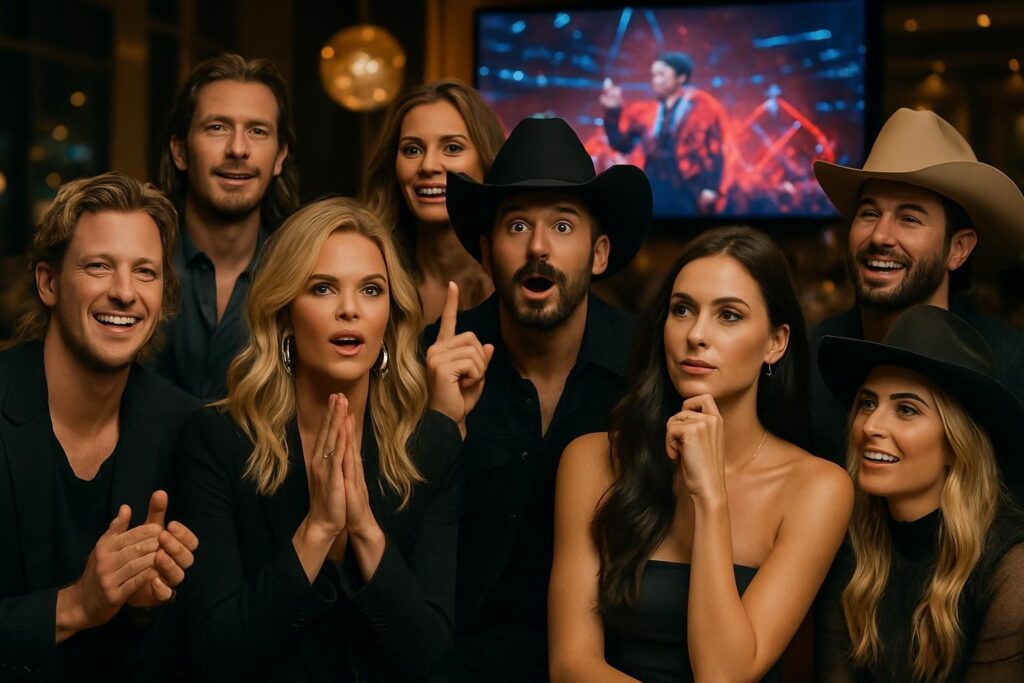
Nashville Celebrities Reflect on Bad Bunny's Iconic Super Bowl Halftime Show
The Super Bowl halftime show is always a pinnacle moment in the intersection of music, entertainment, and sports culture, often sparking widespread discussions across the globe. In Super Bowl 60, held in 2026, Puerto Rican rapper Bad Bunny delivered a halftime performance that captured the hearts of over 135 million viewers worldwide. The show was a vibrant and powerful expression of Puerto Rican cultural identity, combining genres like Spanish rap, reggaeton, bomba, hip-hop, and Latin pop into a 12-minute extravaganza.
Among those captivated were numerous Nashville celebrities whose varied reactions highlight the local music scene’s engagement with one of the year's most talked-about pop culture events. Figures such as Sheryl Crow and Kacey Musgraves publicly praised the performance, seeing it as a fresh representation of diversity and musical innovation. Their admiration reflects Nashville’s openness toward multifaceted artistic expressions beyond its traditional country music roots.
Lire également : The Definitive Valentine’s Day Gift Guide for Devoted Country Music Fans
Bad Bunny, born Benito Antonio Martínez Ocasio, staged a halftime show that ventured beyond typical spectacle. Accompanied by iconic guest stars like Lady Gaga and Ricky Martin, the stadium transformed into a celebration of Puerto Rican life with symbolic scenes including fields of sugar cane, stalls selling tacos, jewelry, and piragua (shaved ice). A live wedding took place, and a poignant billboard declared: "The only thing more powerful than hate is love."
The performance was rich with cultural pride, bringing elements that resonated both emotionally and artistically with viewers, including many from Nashville’s creative community. These entertainers recognized the show not just as performance, but as a narrative with deep societal implications and artistic merit.
En parallèle : Nashville Insider: Riley Green Shares His Ultimate Dream Collab and Drops Hints About Upcoming Tracks at the Iconic No. 1s Celebration
Despite its acclaim in music circles, the show also triggered controversy among conservative groups who criticized Bad Bunny, referring to him as “un-American.” This resulted in an alternative halftime event spearheaded by conservative organization Turning Point USA featuring artists like Kid Rock. Nashville’s musical landscape, however, mainly showed support for Bad Bunny, emphasizing musical artistry and cultural celebration over political disputes. This dichotomy illustrates how entertainment and sports events like the Super Bowl halftime can become flashpoints for broader cultural conversation.
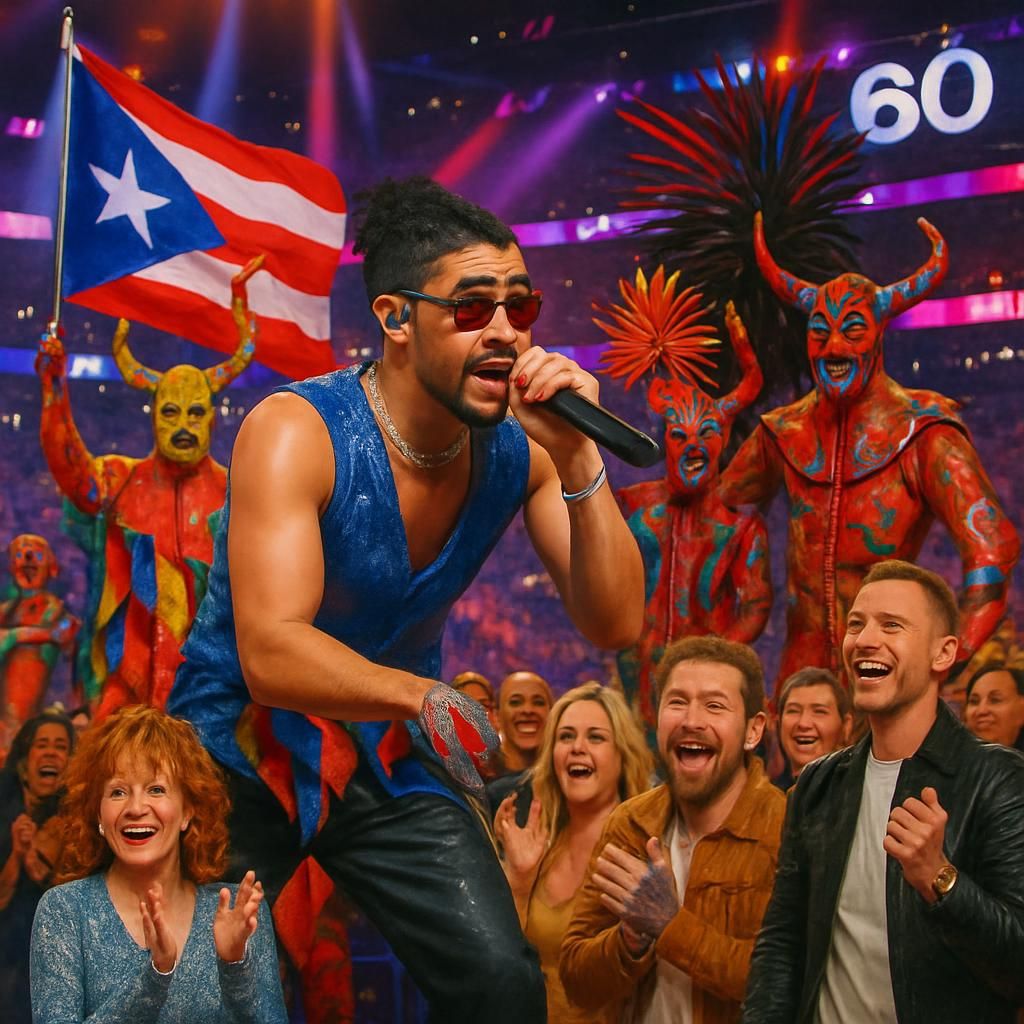
Exploring Nashville Artists' Praises for Bad Bunny’s Super Bowl Show
Sheryl Crow, a respected Nashville musician, took to social media to express deep appreciation for the halftime performance. She described it as "a beautiful halftime filled with joy," highlighting how it brought love and unity to a stage often filled with divided opinions.
Kacey Musgraves, an acclaimed star from Nashville known for blending country with pop and indie sounds, wrote on her social platform that Bad Bunny's presence made her feel “more proudly American than anything Kid Rock has ever done.” Such a statement is significant given Kid Rock's longstanding association with more traditional American rock and country narratives. Musgraves’ comment reflects how contemporary American identity in music increasingly embraces multiculturalism and global influences, a lesson clearly displayed in Bad Bunny's halftime showcase.
Other Nashville artists added their voices to the chorus of admiration. Noah Kahan, for example, posted enthusiastic reactions, sharing quotes from Bad Bunny’s address to the audience about self-worth and belief, messages that resonated deeply in a time of social challenges worldwide.
Zach Bryan, another Nashville native with a growing audience, used humor to highlight the contrast between the official halftime show and the competing conservative “All-American Halftime Show.” By juxtaposing images humorously, he reminded fans of the wide spectrum of musical tastes and political viewpoints but ultimately showed support for Bad Bunny’s artistry and message.
This variety of opinions underlines Nashville’s dynamic music scene, where artists draw on diverse inspirations and embrace cultural dialogues about identity, inclusion, and artistic expression. Their reactions enrich the ongoing discussion about the role of music in shaping public conversation, especially in major entertainment moments tied to large sporting events.
The Complex Cultural and Political Context Surrounding the Halftime Controversy
Bad Bunny’s halftime performance at Super Bowl 60 did not only impress audiences with its vibrant execution but also ignited a political debate highlighting tensions in American society circa 2026. Prior to the show, conservative groups expressed displeasure, calling Bad Bunny a “Trump hater” and questioning his patriotism because of his outspoken views and the Latino cultural emphasis.
This backlash culminated in the organization of a rival event named the "All-American Halftime Show," led by Turning Point USA, featuring artists including Kid Rock, Brantley Gilbert, Lee Brice, and Gabby Barrett. This alternative show attracted approximately 6 million viewers, emphasizing a divided fanbase within the country’s entertainment and sports viewership.
Kid Rock, a Nashville local and one of the headliners of the alternative show, clarified his stance in media interviews by stressing that their effort was not motivated by hatred, but by their love for the fan base, music traditions, and a vision of American culture. He suggested that the NFL should have considered a band like Metallica for the halftime slot to appeal to different audiences, underscoring an ongoing conversation about musical representation in large-scale events.
Meanwhile, former President Trump took to Truth Social following the halftime show to condemn Bad Bunny's performance as “an affront to the Greatness of America” and described it as “absolutely terrible.” This stark criticism reflects how cultural events often become proxy battles for larger political narratives and identity politics, especially in a polarized media environment.
The entire episode illustrates how entertainment in 2026 continues to be deeply intertwined with political sentiment. The Super Bowl halftime stage, while primarily a music and entertainment showcase, remains a potent symbol of cultural identity and ideological conflict. The show’s emphasis on Puerto Rican pride and inclusivity contrasted sharply with the competing narrative promoted by conservative voices, demonstrating music’s power to catalyze social discussion beyond pure entertainment.
Nashville’s Broader Presence at Super Bowl 60: Beyond Bad Bunny’s Spotlight
While Bad Bunny’s halftime performance was at the forefront of cultural discussions, Nashville’s music community showed comprehensive involvement throughout the entire Super Bowl 60 event, reinforcing the city's reputation as a music capital united with sports entertainment. Several Nashvillians participated prominently, both on the field and behind the scenes.
Coco Jones, an R&B singer hailing from Lebanon, Tennessee, was chosen to perform “Lift Every Voice and Sing,” recognized as the Black National Anthem, demonstrating the event’s commitment to diversity and inclusion. Her powerful performance was a nod to cultural heritage and social progress, consistent with themes presented in the halftime show itself.
Americana legend Brandi Carlile delivered the stirring rendition of "America the Beautiful," enhanced by the Nashville-based string duo Sista Strings. The duo shared their excitement on social platforms about the energy backstage, mentioning exchanges with diverse orchestras that celebrated musicians of color, which made the event feel like a beacon of "powerful hope."
Additionally, famed conductor Giancarlo Guerrero, who led the Nashville Symphony for nearly two decades, took on the crucial role of directing musicians during Bad Bunny’s halftime show, ensuring a cohesive live sound that blended intricate genres. His involvement underscores how Nashville’s classical and contemporary music talents continue to shape major national productions.
This broad engagement highlights how Nashville artists and professionals contribute across genres, roles, and performances during major events like the Super Bowl. Their presence strengthens the city’s image as not merely a country music hub but a diverse center for all facets of popular and classical music intertwined with American culture and sports enthusiasm.
How Bad Bunny's Super Bowl Performance Influences Music and Entertainment Trends in 2026
Bad Bunny’s halftime performance has already made a profound impact on music and entertainment trends as observed through reactions from industry insiders, fans, and celebrities, particularly from vibrant hubs like Nashville. The show’s success demonstrates how blending traditional regional sounds with modern genres resonates on a global scale.
His fusion of Latin music styles with mainstream hip-hop and pop continues to inspire artists and producers worldwide to explore cross-cultural collaborations. In Nashville, a city historically linked with country music, such integration encourages local musicians to diversify their sounds and reach wider audiences, creating a more inclusive music industry atmosphere.
The performance’s visual narrative, featuring Puerto Rican symbols and communal activities like a live wedding, also points to a shifting landscape in entertainment where storytelling and cultural representation are as vital as musical prowess. This approach to live performances — combining spectacle, political statements, and emotional connection — appears increasingly defining for major events, influencing how future halftime shows and music festivals curate their productions.
Moreover, the polarized response to Bad Bunny’s show invites reflection within the entertainment sector about how to navigate cultural expression and audience expectations in an era of heightened political awareness. It challenges artists and event organizers to consider the broader societal impact of their creative choices.
Besides artistic influence, the event boosted streaming and music sales related to Bad Bunny’s catalogs, helping the Latin music market penetration further into mainstream American pop culture. This momentum benefits artists of different backgrounds and promotes greater diversity in award nominations and festival lineups, including those prominent in Nashville’s evolving scene.
In summary, the impact of Bad Bunny’s halftime show extends beyond the few minutes on stage; it shapes trends in genre fusion, cultural celebration, and the arts’ relationship to social discourse within the entertainment landscape of 2026.
- Promotion of Latin genres in mainstream American entertainment
- Increased multicultural collaborations among Nashville musicians
- Elevation of storytelling as a key element in live performances
- New conversations about political expression in music events
- Growth in streaming and music sales influencing industry dynamics
For readers interested in how other artists are making waves in association with the Super Bowl, it is worth exploring how musicians like Jelly Roll have also surfaced in broader sports entertainment circuits in recent years. For a detailed perspective on such intersections between music and sports in Nashville, see this insightful article on Jelly Roll’s Super Bowl journey.
