
Jelly Roll Announces Intent to Donate His Grammy Award to a Nashville Jail as a Symbol of Hope
07/02/2026

Jelly Roll’s Powerful Gesture: Donating a Grammy Award to a Nashville Jail as a Symbol of Hope
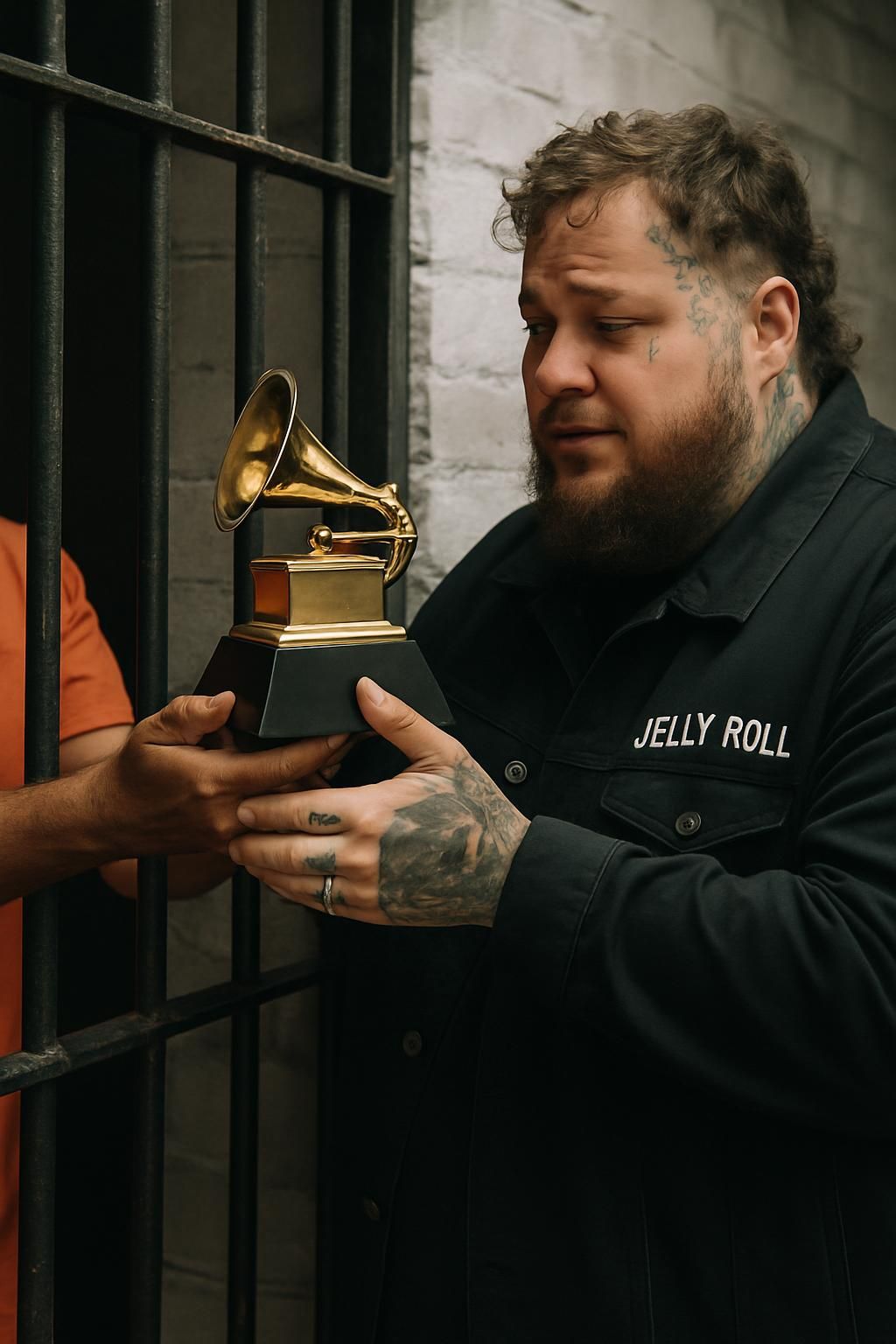
Jelly Roll, the acclaimed country music artist, touched hearts worldwide when he announced his intention to donate one of his Grammy Awards to a Nashville county jail. This unprecedented act goes beyond mere philanthropy—it carries deep symbolic meaning rooted in Jelly Roll’s own life journey and struggles. By offering his Grammy Award as a beacon of optimism within the walls of a jail, Jelly Roll harnesses his influence in the music industry to inspire change and hope among incarcerated individuals.
The decision to donate the award is especially poignant considering Jelly Roll’s past, marked by numerous stints in jail due to drug possession and personal struggles. Over the years, he has been candid about his battles with addiction, comparing food addiction during his weight loss efforts to his previous cocaine addiction. Such transparency creates a relatable narrative for those who suffer from similar struggles and amplifies his message of perseverance and redemption.
Lire également : Experience Maui's Country Music Revival: Nashville Nights Return with Live Shows, Stunning Sunsets, and Gourmet Delights
After accepting the Grammy Award for Best Contemporary Country Album for his profoundly moving record Beautifully Broken, Jelly Roll publicly revealed his donation plan during an Entertainment Tonight interview. He specified his intention to keep one Grammy at his studio—where his dreams first ignited—and to entrust a second award to Nashville County Sheriff Daron Hall for display in the jail facility. This gesture, as Jelly Roll expressed, aims to remind inmates that “there’s life after” incarceration and to serve as a constant reminder of hope and transformation.
Music has been a transformative force in Jelly Roll’s life. Waving a small Bible during his Grammy acceptance speech, he recalled the bleakest days when all he possessed was a tiny Bible and a radio in a cramped six-by-eight-foot cell. It was in those moments of incarceration in 2008 that music and faith became his lifelines, sparking a profound internal shift that allowed him to envision a path beyond his darkest hours.
Lire également : Renowned Steel Guitar Virtuoso Pete Finney Passes Away at 70
Jelly Roll’s story highlights how music intertwines with spirituality and personal growth, encouraging community members and those involved in prison outreach programs to recognize art as a catalyst for positive change. By donating his Grammy Award, Jelly Roll bridges his individual victory with a broader message encouraging hope, healing, and determination—values essential for those navigating the complex challenges of incarceration. In this way, the Grammy is not just a trophy but a symbol of hope, a physical emblem reminding inmates of the possibilities that lie ahead.
The Impact of Jelly Roll’s Donation on Nashville Jail and Prison Outreach Initiatives
Jelly Roll’s donation arrives at a critical moment when the conversation around prison reform and rehabilitation programs in Nashville is gaining momentum. By placing a Grammy Award in the jail, the initiative introduces a visible message that professional success, redemption, and societal reintegration are achievable even for those currently incarcerated.
The Nashville County Jail, known for its commitment to fostering educational and rehabilitative programs, now becomes a beacon of inspiration for detainees. The presence of such a prestigious award symbolizes the broader support of the community for inmates’ transformation. Sheriff Daron Hall, the recipient of Jelly Roll’s Grammy trophy for display, expressed gratitude for the artist’s generosity, conveying that acts like this reinforce their mission to transform the jail environment from one of punishment to a hub of hope and opportunity.
Several prison outreach organizations in Nashville have already reported a heightened commitment among inmates toward rehabilitation when they witness tangible support from influential figures like Jelly Roll. The artist’s story, coupled with the symbol of his Grammy Award, serves as a motivational force, encouraging inmates to pursue GEDs, therapy, or vocational training during incarceration.
The significance of music in these outreach efforts cannot be overstated. Numerous studies and programs have demonstrated how music therapy fosters emotional healing and self-expression among incarcerated populations. Jelly Roll’s artistic journey and his openness about addiction and recovery add a compelling narrative that resonates well within such frameworks.
For example, the Nashville Music Outreach Program, which collaborates with local jails, has integrated Jelly Roll’s Beautifully Broken album into workshops, sparking discussions about resilience and the transformative power of art. Detained individuals have responded positively, associating the award with real-world success stories that began from a place of hardship. This connection bolsters their own aspirations and reinforces the healing power of artistic expression.
Moreover, Jelly Roll’s donation inspires other artists and celebrities to explore ways in which their accomplishments can extend beyond personal rewards and impact the community positively. Such involvement creates a ripple effect, prompting enhanced investment in prison reform, community support systems, and charity work aimed at reducing recidivism and building character.
Those interested in learning more about this unique initiative and other charity efforts by music stars can find relevant articles detailing similar contributions at TwangWire, a valuable resource covering entertainment philanthropy and transformative stories.
How Jail Facilities Can Leverage Music and Symbolic Donations for Rehabilitation
Beyond offering hope, symbols like Jelly Roll’s Grammy highlight a larger strategy that correctional facilities can adopt to foster rehabilitation:
- Inspiring personal goals: Showcasing accomplished individuals who’ve overcome adversity provides inmates with visible proof of potential success.
- Integrating music programs: Incorporating music workshops and therapy sessions contributes to emotional well-being and skill development.
- Community engagement: Partnerships with artists and local charities can bridge the gap between incarceration and post-release reintegration.
- Educational opportunities: Motivating inmates to pursue GEDs or further education through inspirational stories and programmatic support.
By concretely linking achievements and personal transformation, correctional facilities can redefine their role from mere detention centers to places where futures are rebuilt. Jelly Roll’s bold act offers a blueprint for such engagement, combining celebrity influence, community support, and an unwavering message of hope.
The Transformative Power of Music: Jelly Roll’s Journey from Incarceration to Stardom
Jelly Roll’s life is a testament to how music can serve as a vehicle for redemption and self-renewal. Before becoming a Grammy-winning artist, he experienced the difficulties of incarceration firsthand, spending time in jail approximately 40 times, often related to drug-related offenses. Despite facing numerous setbacks, his story is one of resilience, illustrating a remarkable turnaround fueled by faith, determination, and musical passion.
His album Beautifully Broken reflects this deeply personal journey. Songs from the album explore themes of brokenness, hope, and the struggle to rebuild one’s life after hitting rock bottom. When the album earned recognition at the Grammys, Jelly Roll acknowledged this “beautifully broken” chapter as the foundation upon which he rebuilt his life and career.
His embrace of music during moments of incarceration became a lifeline. Jelly Roll shared publicly that, during his bleakest days in a six-by-eight-foot cell, the two possessions that gave him hope were his Bible and a small radio. These sources empowered his belief that he could change, that the power of music paired with faith could redirect his future.
Since turning his life around, Jelly Roll has also spoken openly about the ongoing struggles he faces, such as food addiction, demonstrating that recovery is a continuous journey. His honesty humanizes his experience and creates a relatable dialogue for fans and followers who may be dealing with their own challenges. This transparency enhances his role as an inspiration not only in music but also in community health and well-being.
Furthermore, his family life plays a crucial role in his transformation story. As a father of two children, Jelly Roll’s commitment to providing a better life for Bailee and Noah has motivated his lifestyle changes and cemented his dedication to positive growth.
This candid narrative makes Jelly Roll a powerful advocate for prison outreach initiatives. By sharing his experiences, he provides hope to those currently incarcerated that recovery and professional success are attainable, fostering a sense of possibility that transcends prison walls.
Celebrity Influence and Community Support: The Role of Public Figures in Prison Outreach
Jelly Roll’s decision to donate a Grammy Award to a jail is a shining example of how celebrities can leverage their platforms to affect substantial social change. When well-known personalities actively engage in prison outreach and charitable endeavors, they elevate the visibility of these causes, increasing public interest and funding for rehabilitation initiatives.
High-profile acts like Jelly Roll’s award donation humanize the experiences of incarcerated individuals, bridging gaps between the public and prison populations. This fosters empathy and encourages communities to invest in reforms centered on education, mental health, and restorative justice.
Community support networks gain momentum when celebrities actively advocate for marginalized populations. Requests for donations, endorsements for prison education programs, and participation in fundraising events often follow when artists spotlight the realities within jail systems. Jelly Roll’s tangible contribution of a Grammy epitomizes this collaborative spirit, positioning him as both an artist and a social advocate.
Across the United States, many organizations have seen the positive impact of celebrity endorsements. When artists share their own journeys and provide symbolic gestures, such as award donations or charity events, inmates experience a boost in morale and motivation. These influences catalyze engagement with educational programs, addiction recovery services, and creative workshops.
Jelly Roll’s story also highlights the importance of consistent community involvement. It’s not solely about single acts of charity but fostering ongoing partnerships between musicians, jails, and outreach programs resulting in sustainable change. The Nashville sheriff’s office, for instance, has expressed interest in expanding music-related programs thanks to Jelly Roll’s example and continuing dialogue with the artist.
Such examples validate the growing realization among public figures that their success carries a responsibility to give back. When harnessed effectively, celebrity influence becomes a powerful tool in reshaping public perceptions of incarceration from punitive isolation to opportunities for growth and healing.
The Broader Music Industry Recognition at Grammy Awards 2026: Contextualizing Jelly Roll’s Milestone
The 2026 Grammy Awards marked a significant night for artists across multiple genres, with several powerful narratives of redemption and artistic excellence emerging. Jelly Roll’s cluster of wins, including the widely celebrated Best Contemporary Country Album, stood alongside other deserving winners who reflected diversity and creative innovation in music.
Artists such as Billie Eilish earned the Song of the Year for “Wildflower,” while Kendrick Lamar’s piece “Luther” won Record of the Year, showcasing the spectrum of themes from personal struggle to social commentary that shaped this year’s awards. Awards for Best Music Video to Doechii’s “Anxiety” and Lady Gaga's triumph in Best Dance Pop Recording further highlighted how artists are presenting profound emotional and societal concepts through their work.
This vibrant music landscape provided the perfect backdrop for Jelly Roll’s announcement. His gesture of gifting a Grammy to a Nashville jail aligned with a broader movement among musicians integrating activism and personal stories with their public personas.
Notably, Jelly Roll’s collaboration with Shaboozey on the winning Best Country Duo/Group Performance song “Amen” underscored the spirit of camaraderie and mutual upliftment within the country music community. Such collaborations highlight the genre’s growing embrace of authenticity and resilience, themes at the core of Jelly Roll’s narrative.
Recognition alongside such influential contemporaries amplified the reach of Jelly Roll’s message, ensuring his donation would resonate beyond Nashville. The collective achievements of 2026’s winners reflect an industry increasingly conscious of its societal impact—and Jelly Roll’s symbolic act fits squarely within this evolving cultural moment.
Fans and music observers seeking to explore these artistic achievements can discover comprehensive coverage of Grammy highlights, including Jelly Roll’s unique donation story, at TwangWire's detailed report.
