
Country Music Icons Transform Stardom into Savory Success: Explore Their Thriving Restaurant Empires
08/02/2026
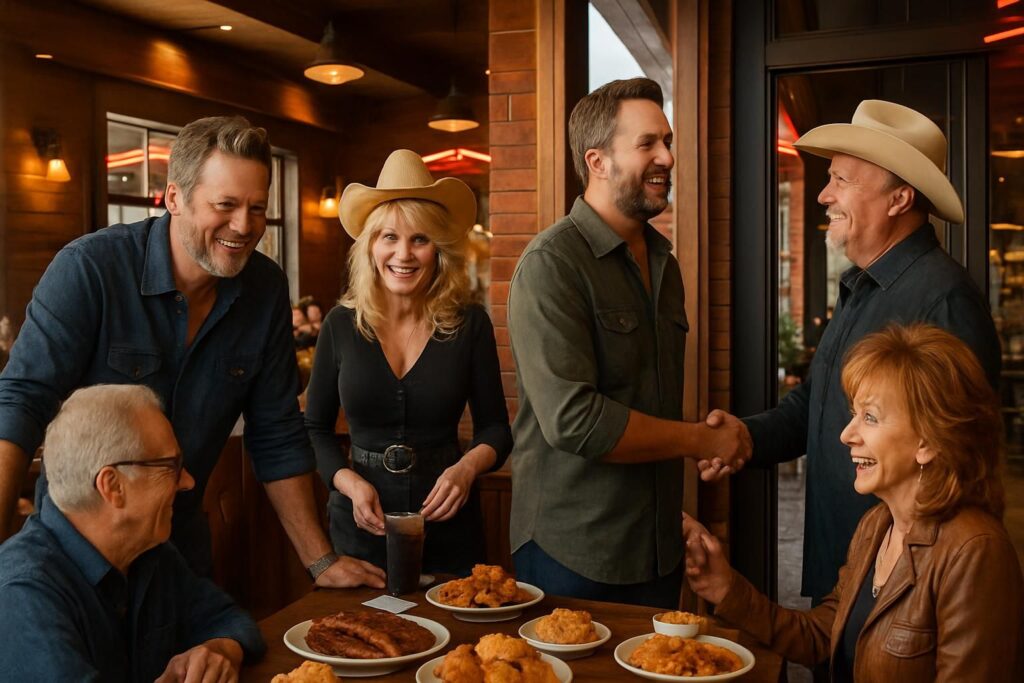
How Country Music Icons Leverage Stardom to Build Booming Restaurant Empires
Country music legends have long been celebrated for their soulful melodies and authentic storytelling, but in recent years, many of these country music icons have expanded their horizons well beyond the recording studio. The transformation from musical stardom to savory success in the culinary world is a fascinating journey marked by passion, entrepreneurship, and an intimate connection to Southern culture and cuisine. These stars have not only captured hearts with their voices but have also captivated taste buds by curating restaurant empires that offer fans a taste of their lifestyle and roots.
In Music City and beyond, the growing trend of country stars owning and operating restaurants has created dynamic spaces that blend live performances with region-inspired dishes. The restaurants serve as fan hubs that go beyond typical dining, fueling steady income streams besides music royalties and touring. The essence of Southern comfort food combined with the energy of live country music offers a unique experience that resonates with locals and tourists alike.
A lire aussi : The Definitive Valentine’s Day Gift Guide for Devoted Country Music Fans
Take, for example, Luke Bryan’s flagship venture, Luke's 32 Bridge Food + Drink, located in downtown Nashville. Named after a beloved bridge in his hometown of Leesburg, Georgia, this establishment blends hearty Southern cuisine with an electrifying honky-tonk atmosphere. Bryan himself explained that the restaurant invites patrons to enjoy anything from a full dining experience to nightclub vibes or just casual honky-tonk fun, embodying the multiplicity of entertainment options that modern diners seek.
Blake Shelton’s Ole Red chain is another stellar example, with locations across Tennessee, Las Vegas, Oklahoma, and Florida. Each venue emphasizes a concert-style environment with regionally tailored menus that elevate traditional Southern dishes. Shelton’s drive to fill a niche—especially in cities like Las Vegas where country music venues were scarce—speaks to a strategic entrepreneurship that leverages his fame while anticipating market gaps.
Cela peut vous intéresser : ACM Awards 2025: Spotlight on Favorites for Male Artist of the Year – Is Chris Stapleton or Morgan Wallen Taking the Lead?
These success stories underscore a crucial theme: entrepreneurship melded with cultural authenticity remains the cornerstone for country artists breaking into the restaurant business. Their enterprises foster a connection between their personal brand and culinary craftsmanship, providing fans a visceral way to connect with their favorite stars beyond music.
Country music celebrities turning their stardom into thriving business ventures is a topic widely discussed in the industry, with insightful lessons on how passion projects can evolve into sustainable income sources. For further inspiration about artists who have merged their music with business, the article What Entrepreneurs Can Learn From 6 Country Music Icons offers detailed case studies and business strategies, spotlighting the salience of authenticity and brand extension within entrepreneurial success.
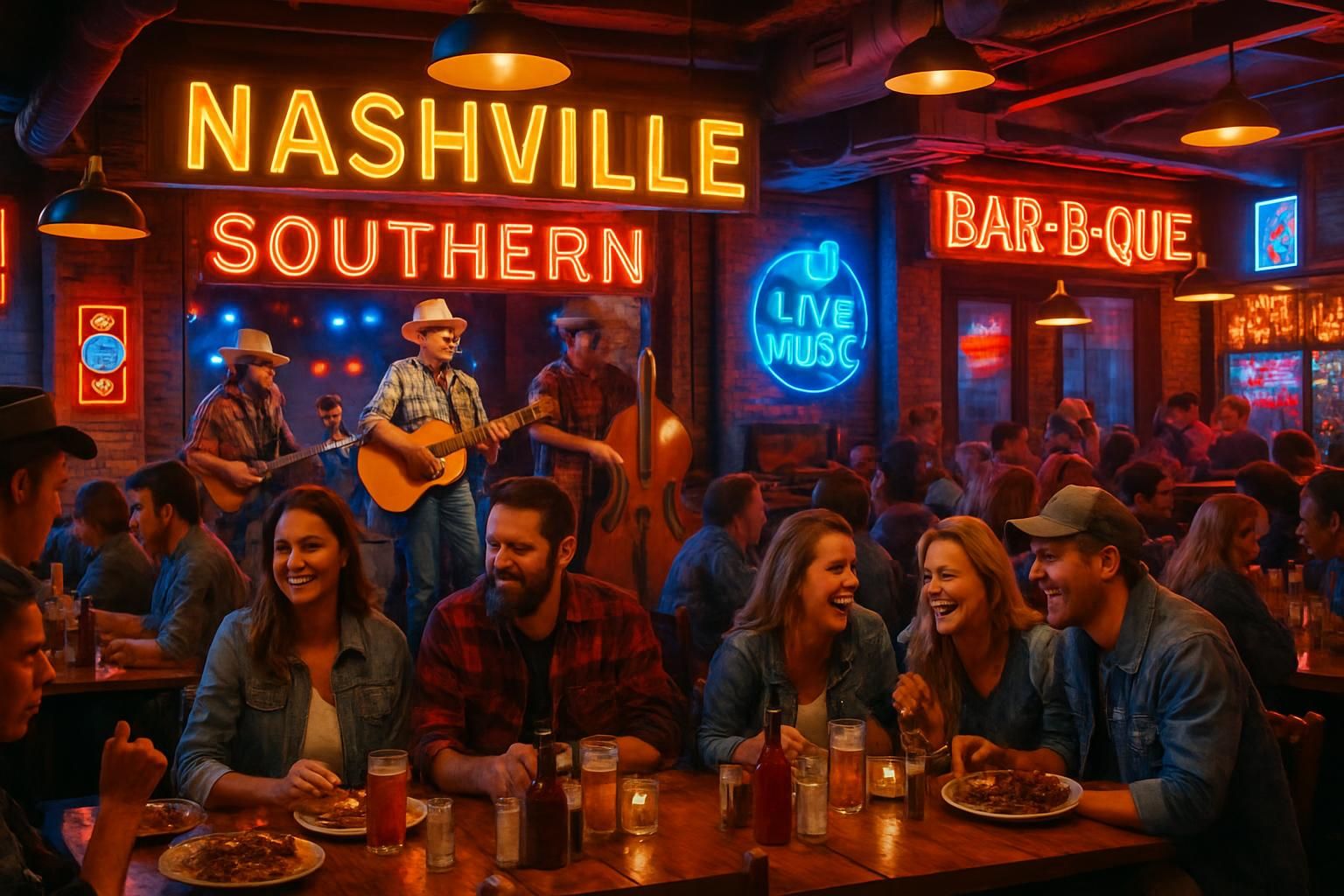
Signature Restaurant Ventures by Leading Country Celebrities: A Culinary Tour
The landscape of celebrity-owned restaurants among country music icons is as diverse as the genre itself. From Tex-Mex to Southern staples, each celebrity has carefully crafted a distinctive culinary identity that reflects their heritage and personal tastes while appealing to both locals and tourists.
Here are a few of the most notable ventures shaping the scenery of country star-run eateries:
- Luke Bryan’s Luke’s 32 Bridge Food + Drink combines classic Southern dishes like beer-can chicken and hefty burgers with vibrant live music performances, complementing the authentic Music City vibe. The rooftop bar offers scenic city views making it a multifaceted entertainment venue.
- Blake Shelton’s Ole Red boasts multiple locations, each tailored to its locale—from Tennessee’s traditional comfort foods to Vegas’s glitzier adaptations. The restaurants double as live music venues featuring regional flair and often spotlight touring country acts, creating authentic concert-style environments.
- Jason Aldean’s Kitchen + Rooftop Bar, situated near Luke Bryan’s restaurant, highlights Southern cuisine enriched with handcrafted cocktails and panoramic skyline views. Known as a destination for fans of both food and live music, it also serves as a platform for emerging and touring artists to perform.
- Kid Rock’s The Detroit Cowboy opened to rave reviews in Nashville, presenting a menu heavy on seafood and steaks, including unique dishes such as steak tartare and a raw bar—distinguishing it as a sophisticated yet laid-back dining experience.
- Miranda Lambert’s Casa Rosa embodies her Texas roots with a mix of Tex-Mex favorites and Southern staples such as Nashville hot chicken. Casa Rosa embraces a neighborhood restaurant feel with regular live music, cementing Lambert’s presence in downtown Nashville’s buzzing restaurant scene.
- Dierks Bentley’s Whiskey Row started in Arizona and expanded to multiple states, serving classic Southern dishes with a modern twist designed to feel like home. The venues emphasize a lively atmosphere blending dining and music that appeals to a wide audience.
Each venue offers more than just food; they provide immersive experiences where fans can enjoy live country music while indulging in regional specialties curated by their idols. This fusion of entertainment and cuisine reflects the growing trend of celebrity entrepreneurship within the restaurant business, providing an additional platform for artists to engage their audience.
Taking a closer look at these restaurants reveals a strategic blend of hospitality and showmanship. For instance, Jason Aldean’s emphasis on creating a platform for fellow musicians recognizes the symbiotic relationship between food service and live music entertainment in this genre’s culture.
Impact of Celebrity-Owned Restaurants on the Business of Country Music and Cuisine
The intersection of country music, cuisine, and business creates exciting dynamics that influence not just fans but the entrepreneurial landscape of the hospitality sector. The success of country artists expanding into restaurant empires elucidates several key impacts on both the music industry and the culinary world.
Firstly, these ventures provide a diversification of income beyond album sales and tours. With the music industry undergoing constant change, restaurant ownership supplies stability through steady revenue, less influenced by seasonal fluctuations or shifts in music consumption patterns. This model empowers artists to maintain relevance and financial health in an unpredictable market.
Moreover, these establishments reinforce the cultural identity associated with country music—rooted in Southern traditions and hospitality. They become cultural hotspots where fans experience the lifestyle portrayed in songs through authentic food and live performances. This synergy elevates brand loyalty and deepens artist-fan relationships.
Another substantial impact is the inspiration these music icons provide for aspiring entrepreneurs both within and outside the entertainment industry. By successfully navigating both worlds, these stars demonstrate how creative vision combined with sound business acumen can lead to sustainable success. Lessons from these ventures are well documented in business circles, such as in the analysis of Brooks & Dunn’s strategies, underscoring market dominance and enduring brand value.
Furthermore, such restaurants contribute to local economies by creating jobs, attracting tourism, and encouraging related business growth. The presence of celebrity venues often elevates entire districts, reinforcing Nashville’s reputation as a fusion point for food, music, and entertainment tourism.
Ultimately, the proliferation of these eateries signifies a shift in how country music stars perceive and wield their brands. Instead of solely relying on traditional music revenue, they embrace multifaceted engagements that enhance their storytelling through culinary arts and hospitality. This evolution embodies the true spirit of business entrepreneurship among celebrities in today’s diversified entertainment landscape.
Exploring the Entrepreneurial Spirit Behind Country Music Icons’ Restaurant Success
What drives a country music icon to transition into the restaurant business? Beyond the desire to diversify income streams, many stars share a profound connection to food as an extension of their personal stories and values. The entrepreneurial spirit they exhibit mirrors the grit and determination found in their musical careers.
For many artists like Miranda Lambert or Kid Rock, their restaurants reflect hometown pride and culinary traditions they grew up with. Lambert’s Tex-Mex inspired Casa Rosa offers patrons more than just a meal; it serves as an authentic extension of her Texas heritage, complete with dishes that evoke familial memories. This approach transforms dining into a narrative experience, which fans appreciate as it deepens their connection to her artistry.
Similarly, Blake Shelton’s Ole Red was conceived not just as a restaurant but as a cultural venue that remedied a lack of country music spaces in certain cities, such as Las Vegas. This entrepreneurial insight—identifying a gap and addressing it with genuine passion—showcases business acumen grounded in understanding audience needs and market potential.
Moreover, the collaboration between culinary professionals and star power is a hallmark of these successful ventures. While celebrities bring brand recognition and loyal followings, behind-the-scenes chefs and managers ensure the dining experience meets high standards. This synergy underscores the importance of strong partnerships in celebrity entrepreneurship.
Another entrepreneurial lesson from these ventures is adaptability. Successful country music restaurateurs continuously innovate their offerings, such as seasonal menus, event nights, and live performances, to keep their venues fresh and engaging. By embracing feedback and trends within both food and entertainment industries, they maintain relevance in a competitive market.
Some of this entrepreneurial journey is documented through podcasts and interviews, like those featured on the Country Music Success Stories podcast, which provides nuanced perspectives on how country stars build and sustain their business empires. Such platforms reveal that the restaurant endeavor is as much about legacy-building as it is about immediate profit.
Ultimately, their entrepreneurial ventures demonstrate that passion fused with pragmatic business sense can translate creative stardom into tangible, savory success.
Key Ingredients for Success: Lessons from Country Music Artists in the Restaurant Industry
Running a successful restaurant empire is no small feat, and country music icons have mastered it by applying lessons from their music careers while adapting to the unique demands of the hospitality sector. Examining their strategies reveals valuable takeaways for entrepreneurs across industries.
1. Authenticity and Brand Alignment: The restaurants reflect the artists' identities, which nurtures trust among fans and customers. Luke Bryan’s homage to his hometown or Miranda Lambert’s Texan roots show how aligning business concepts with personal stories strengthens brand loyalty.
2. Creating Multifaceted Experiences: Successful country music venues are not just about food; they integrate live performances, rooftop bars, and nightclubs. This approach attracts broad demographics—from casual diners to devout music fans—and extends time spent at the venue.
3. Strategic Location and Expansion: Concentrating restaurants along Music City's Broadway or expanding to tourism hotspots like Las Vegas ensures high foot traffic and visibility. Jason Aldean’s choice to open multiple locations demonstrates scalability and smart market penetration.
4. Collaboration with Industry Experts: Engaging seasoned chefs, hospitality managers, and event planners ensures operational excellence. While celebrity presence draws crowds initially, sustained success depends on consistent quality and service.
5. Community Engagement and Support: Hosting live shows by up-and-coming artists and community events enriches local cultural scenes, creating goodwill and repeat patronage. Dierks Bentley’s Whiskey Row exemplifies how fostering musical talent benefits both business and community.
6. Continuous Innovation: Updating menus to include regional specialties or healthier options, and incorporating technology like contactless payments or online booking, demonstrate attentiveness to evolving customer expectations.
These key ingredients culminate in business empires where music, food, and entrepreneurship converge. Readers eager to deepen their understanding of country music legends and their entrepreneurial exploits will find invaluable insights in articles covering the enduring legacy of country music icons, which contextualize these stories within broader cultural and economic narratives.
