
The Band Perry Reflects on Feeling Undersupported by Nashville Amid the Rise of Bro-Country
12/02/2026
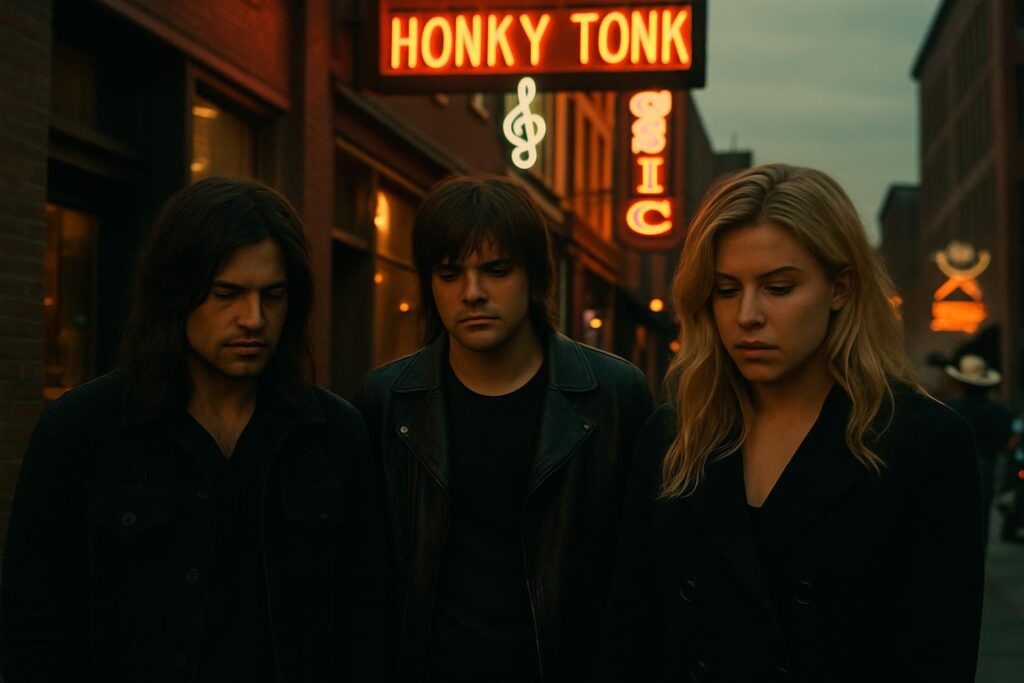
The Band Perry’s Early Success and the Nashville Bro-Country Shift
The Band Perry quickly rose to prominence in the early 2010s following their debut album, highlighted by the crossover hit "If I Die Young." Their unique blend of traditional and contemporary country music helped them carve out a dynamic space in the Nashville scene. However, as the bro-country subgenre surged in popularity around the same time, marked by its party anthems and themes centered mostly on masculinity, The Band Perry found themselves navigating an evolving and competitive music landscape that favored a different sound.
Bro-country, characterized by artists focusing on good times, trucks, and often-blurred lines between country and pop-rock, increasingly dominated radio waves and music charts. This trend put more traditional and lyrically driven groups at a disadvantage in Nashville’s music industry ecosystem. For The Band Perry, this meant contending with a market and industry that appeared less receptive to their heartfelt storytelling and energetic but earnest performances.
A lire également : Celebrate 2026 Country-Style with ‘NEW YEAR’S EVE LIVE: NASHVILLE’S BIG BASH’
Albums like Pioneer (2013) showcased their commitment to country roots with tracks such as "Better Dig Two" and "Done." These songs underscored their narrative depth and musical vitality, which appealed to fans craving authenticity. Yet, as bro-country's rise reshaped industry expectations, The Band Perry felt increasingly overshadowed. Despite their energetic live shows and rising profile, the group struggled with underwhelming support from their label and promotional teams, which prioritized bro-country acts they viewed as more commercially viable.
This clash between artistic vision and business priorities epitomizes the broader struggles many country artists faced during the height of bro-country's influence. The Band Perry’s experience provided a lens revealing how shifts in music trends can impact artist development and success, especially for groups that do not fit the prevailing mold. Their story is an example of how cultural and industry shifts in Nashville during this time left some artists feeling undersupported and underrepresented in the competitive country music market.
Dans le meme genre : Latino Entertainment Journalists Association Film Awards: ‘Sinners’ Takes Home Six Honors, Including Best Picture
Such a landscape ultimately influenced The Band Perry's trajectory, leading them to explore new creative directions beyond the constraints set by the bro-country wave, setting the stage for deeper reflections on their relationship with Nashville and the music industry's evolving dynamics.
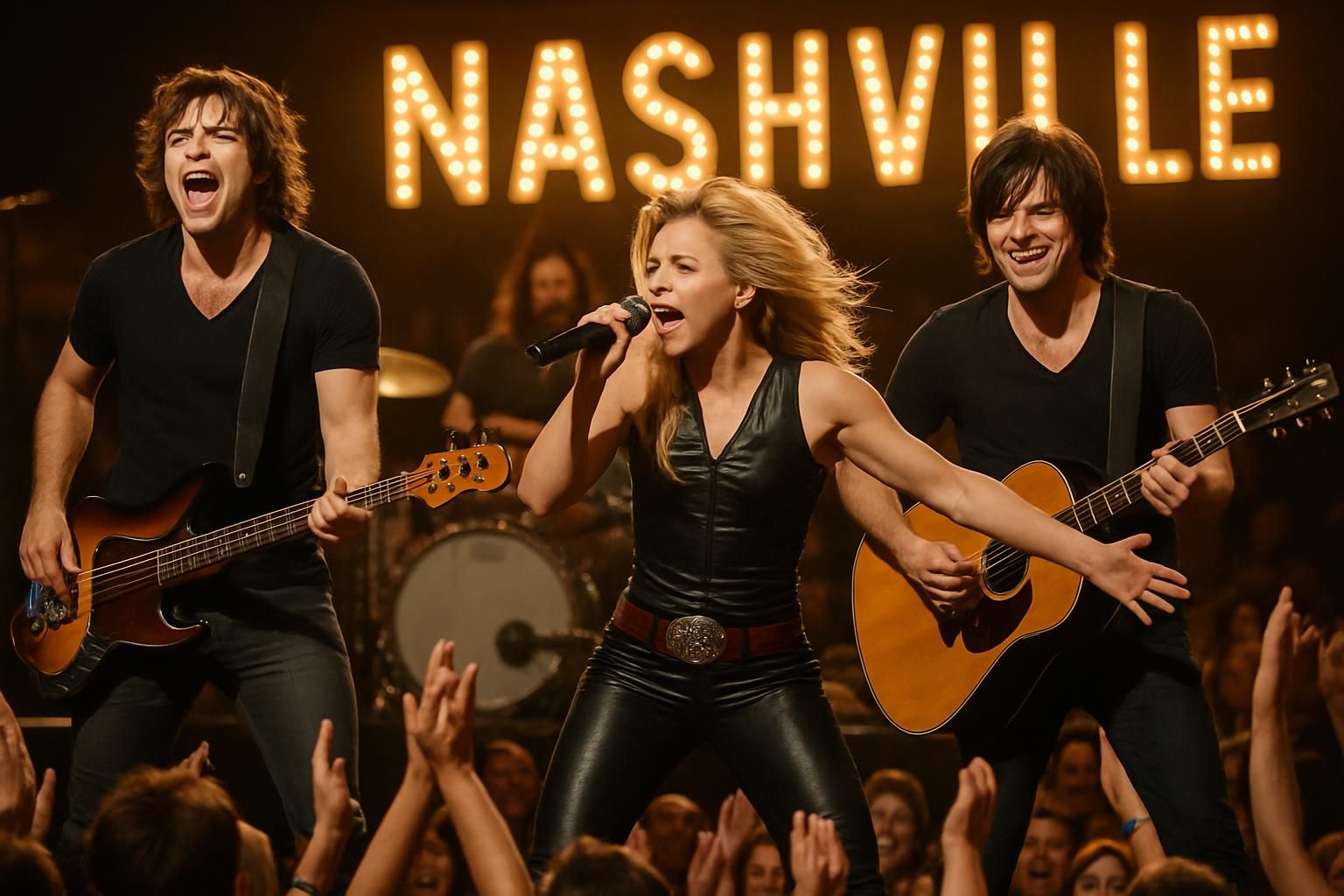
Creative Evolution and the Challenges of Going Beyond Country Music
Following their initial breakthrough and experience in the bro-country dominated 2010s, The Band Perry made a significant stylistic pivot that both intrigued and puzzled their fans. Leaving behind the family band setup of siblings Kimberly, Reid, and Neil Perry, the group's journey ventured into pop and electronica territories. This shift marked a deliberate attempt to expand their artistic identity and reach new audiences.
However, moving away from their roots was not without its hurdles. The Band Perry’s decision to explore sounds outside traditional country placed them at odds with their longtime label Republic Nashville, part of the Big Machine Label Group, a powerhouse in the country music business. Their evolving sound did not align neatly with Nashville’s conventional expectations, which amplified feelings of being undersupported by their label and the broader Music Row establishment.
During this exploratory phase, the band collaborated with producers like Rick Rubin and Beau Bedford, generating a collection of tracks that reflected a broader musical palette but many of which were left unreleased. This period of experimentation culminated in a hiatus as the group members took time for personal growth and healing. Kimberly Perry embarked on a solo project, moving through important life events including remarriage and motherhood.
This chapter highlighted a critical artistic tension — the challenge many country artists face when navigating between commercial pressures and the desire to evolve creatively. It also underscored the industry's limited flexibility during the 2020s to support genre-fluid experimentation without sacrificing career momentum. Fans and critics alike witnessed a band striving for authenticity to their evolving selves, while confronting the structural and cultural walls of the country music industry.
As Kimberly candidly shared in interviews, this period was a "cross of the two" — part personal choice and part industry pushback — illustrating how artists’ careers can be impacted not only by shifting trends like the rise of bro-country but also by the structural forces shaping their access to resources, promotion, and artistic freedom.
The Complexities of Artist Struggles in Nashville’s Changing Music Industry
Kimberly Perry’s reflections delve into the often unspoken difficulties faced by women in country music, especially within an industry historically dominated by male narratives and leadership. The era dominated by bro-country intensified these challenges as it prioritized a particular style that frequently sidelined female voices and more nuanced storytelling.
The Band Perry’s narrative sheds light on the broader context of artist struggles in Nashville. Feeling undersupported by their label, Kimberly and her brothers encountered the tension of aligning their artistic vision with an industry infrastructure that often forces conformity to commercially proven trends. Their navigation of this environment reflects how the balance of creative control, label politics, and market demands shape artist careers.
Moreover, their story conveys the emotional toll such circumstances can take. Kimberly’s admission of personal coping habits during this turbulent period — including regular wine consumption and the vulnerability in revisiting the band's public narrative online — humanizes the behind-the-scenes challenges that can accompany fame. These struggles are often invisible to fans but critical in understanding the trajectory of groups like The Band Perry.
As the landscape began shifting into the mid-2020s, with more conversations emerging around gender representation and artist welfare, The Band Perry’s experience pointed to a necessary reckoning within Nashville. Their journey echoes the pleas of female artists and others marginalized in the industry system, who call for more equitable treatment and recognition.
Ultimately, this chapter in their story exemplifies the broader transformations happening around country music in recent years — a movement away from limiting stereotypes and toward a richer, more inclusive artistic community. Their experience is a valuable case study in how market forces, cultural trends like bro-country, and personal resilience all intersect in artist development and sustainability.
Rebuilding The Band Perry: A New Lineup and Return to Roots
After a period of hiatus and exploring other musical directions, The Band Perry began a resurgence catalyzed by a defining moment in 2025. When Hurricane Helene devastated parts of East Tennessee, the band reunited in Greeneville for a benefit concert aimed at supporting the local community. This reunion featured Kimberly Perry, her brother Reid, and Kimberly’s husband Johnny Costello, signaling a new chapter for the family band that had once captured hearts nationwide.
This lineup shift marked an important evolution. Reid Perry’s subsequent departure to pursue a career in artist management further redefined the group’s structure. Today, Kimberly and Johnny Costello carry the mantle as The Band Perry, embracing their identity as a family band through marriage as well as blood relations. They emphasize this reimagined version as a phase of rebuilding and redemption, committed to crafting new music that honors their past while boldly stepping into the future.
Under the banner of Nashville Harbor Records & Entertainment, which renewed their partnership with Big Machine Label Group, this iteration launched fresh material including the single "Psychological." Signed back under the fold that initially nurtured their growth illustrates their renewed dedication to Nashville’s country music community, while navigating changes in industry dynamics and personal circumstances.
The Band Perry’s comeback is emblematic of persistence amid industry challenges. Their return is marked not only by musical reinvention but also by a conscious acknowledgment of the artist struggles that shaped their path. It serves as a narrative of hope for other musicians grappling with the complex pressures of evolving tastes, label politics, and personal identity within the country music space.
Fans interested in following this latest chapter can find updates on The Band Perry's official website or learn more about their return to the Nashville music scene through articles like The Band Perry Returns to Nashville Harbor Records & Entertainment.
Music Trends, Industry Lessons, and The Band Perry’s Impact on Country Music
The Band Perry’s journey offers important insights into the evolving landscape of country music and the wider music industry. Their story illustrates how trends like the rise of bro-country can shape opportunities and challenges for artists, particularly for those who embrace a more traditional or narrative-driven style. The industry’s focus on trends often translates into strategic decisions by labels, radio stations, and festivals—decisions that can marginalize artists who don’t immediately fit the prevailing mold.
From their initial rise to stardom to their hiatus and eventual return, The Band Perry’s experience underscores:
- The importance of artistic authenticity: The band's commitment to storytelling and meaningful lyrics remains a core appeal, even as the music world changes.
- The challenges of diversifying sound within rigid industry frameworks: Their venture into electronica and pop music encountered both creative fulfillment and commercial risks.
- Gender dynamics in country music: Kimberly Perry’s reflections highlight the additional hurdles female artists face in gaining industry support amid dominant male-driven trends.
- The value of resilience and reinvention: Rebuilding the band with a new lineup and embracing family connections illustrate adaptability and renewal.
Their story continues to resonate with emerging country artists who seek balance between tradition and innovation within Nashville’s competitive music ecosystem.
In 2026, as country music evolves further with more diverse voices and genre blends, The Band Perry stands as a key example of navigating artist struggles amid shifting music trends and industry expectations. Their honest reflections provide a roadmap for other artists confronting similar challenges.
For deeper insights into their journey and the broader Nashville music scene, readers can explore perspectives shared in media coverage such as this piece on The Band Perry Officially Returns Home To Country.
