
Miami Beach Unveils Bold Deregulation Plan to Revitalize Restaurants and Entertainment in Struggling Commercial Areas
11/02/2026
Revitalizing Miami Beach's Commercial Corridors Through Bold Deregulation
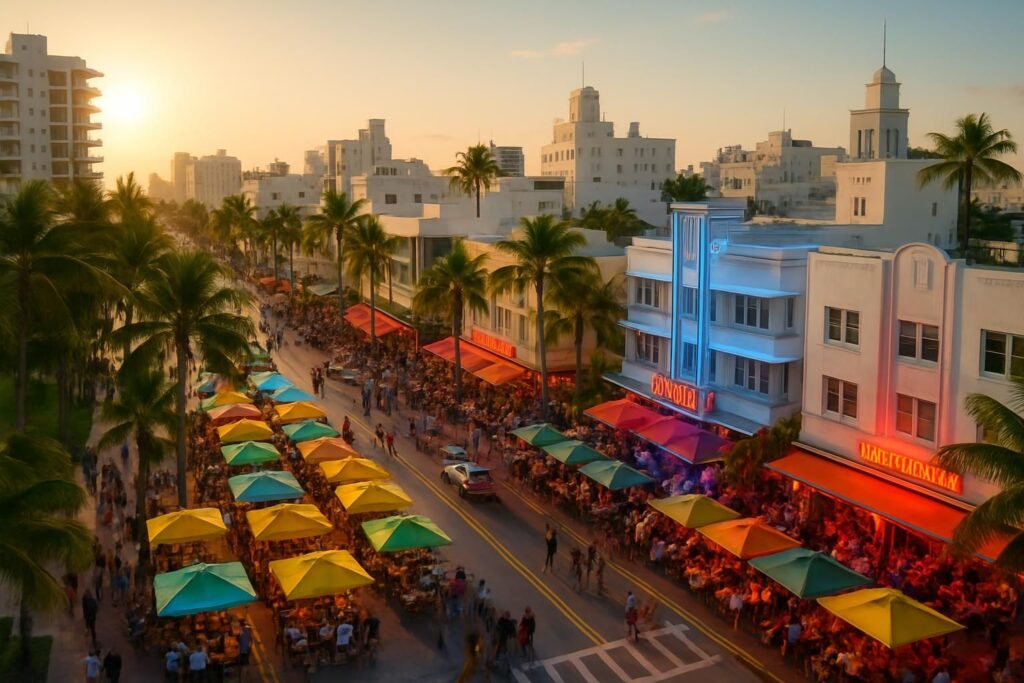
Facing numerous vacant retail spaces that blight some of its once-bustling streets, Miami Beach has launched an ambitious approach aimed at reigniting the pulse of its commercial corridors. The local government, intent on accelerating economic development and boosting tourism, has approved a transformative deregulatory ordinance targeting restaurants and live entertainment venues. This progressive policy shift represents a substantial recalibration in the city's approach to business growth and urban renewal.
Previously, stringent conditional use permits and occupancy restrictions inhibited entrepreneurs from introducing vibrant dining and entertainment experiences, often deterring new ventures and stagnating existing ones. Recognizing this obstacle, Commissioner Alex J. Fernandez spearheaded a landmark change to remove barriers that constrained the ability of quality restaurants and music venues to establish themselves along Miami Beach’s key streets.
A découvrir également : Why AMC Entertainment (AMC) Stock is Currently Trading Lower
Commissioner Fernandez poignantly referenced the nostalgic allure of iconic establishments such as the Van Dyke Cafe — a legendary hotspot celebrated for live jazz performances that symbolized the vibrant cultural heritage of Miami Beach. Ironically, such venues were no longer permissible under the old regulatory framework. By abolishing the conditional use permit requirement temporarily and increasing indoor entertainment capacity from 200 to 750 patrons, the ordinance breathes life back into the city’s entertainment scene, making it far easier for dynamic venues to flourish.
This deregulation is not haphazard but carefully targeted at critical commercial zones, including Lincoln Road, Washington Avenue, Collins Avenue, 71st Street and Normandy Drive, and 41st Street sectors. By concentrating efforts where they will have the most impact, Miami Beach aims to ignite economic vibrancy precisely where foot traffic and tourism potential remain high yet underutilized due to regulatory restraints.
En parallèle : Why AMC Entertainment (AMC) Stock is Currently Trading Lower
The city's approach balances opportunity with responsibility. Outdoor stages, open-air rooftop venues, and adult entertainment remain tightly regulated, ensuring that community standards uphold quality of life for residents and visitors alike. Violators of the new ordinances face swift repercussions, underscoring Miami Beach’s commitment to responsible business growth.
This rejuvenation strategy promises to catalyze the commercial rebirth of Miami Beach, rekindling the city’s image as an iconic destination for both locals and tourists who cherish lively streets filled with dining, music, and culture.
How Deregulation Fuels Business Growth and Economic Development in Miami Beach
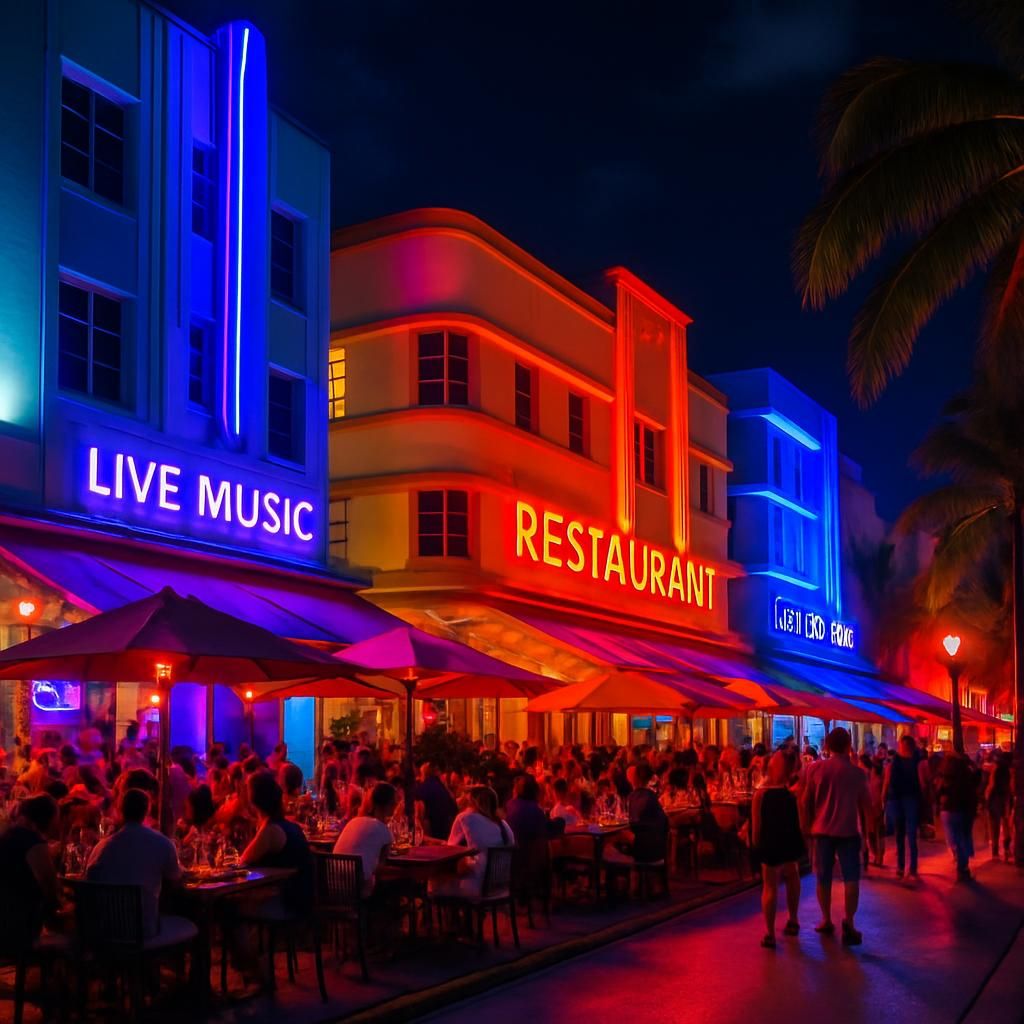
The newly enacted policy turns traditional regulation on its head to facilitate a surge in business creation and expansion within Miami Beach's hospitality and entertainment sectors. The simplified procedural requirements and relaxed occupancy caps are designed to dismantle bureaucratic bottlenecks that have historically impeded business owners’ ambitions.
For small business operators, the elimination of conditional use permits for qualifying restaurants and indoor entertainment venues represents a huge stride. Applying for such permits often involves lengthy delays, high costs, and uncertain outcomes. Now, many entrepreneurs can launch or upgrade their establishments much faster, leveraging the momentum to attract tourism dollars and generate vibrant urban nightlife.
Mayor Steven Meiner emphasized the city’s dual commitment to streamlining operations while ensuring that growth remains prudent and orderly. “Miami Beach is open for business,” he declared, stating that the new rules maintain high-quality standards but make “responsible businesses” able to “open faster” and energize commercial strips.
Existing businesses located within the targeted corridors are not excluded from benefiting. Those meeting the updated occupancy guidelines can simply adjust their current licenses and tax receipts to align with the deregulated framework. This inclusivity supports an ecosystem where both startups and mature venues share in the revival.
As a result of these measures, Miami Beach is poised to witness increased job opportunities, more diverse cultural offerings, and enhanced visitor experiences that support the city’s broader economic development goals. This proactive stance aims to make Miami Beach a magnet for culinary innovators, artists, and entrepreneurs seeking a more flexible and creative regulatory environment.
Moreover, the approach transcends simple deregulation. It aligns with recent reforms such as same-day permitting for commercial spaces and fee waivers, cumulatively facilitating a business-friendly ecosystem that fosters urban renewal and enhances the city’s competitive edge on a global stage.
Strategic Focus Areas: Key Commercial Corridors Driving Miami Beach’s Renewal
The ordinance’s geographic focus on select commercial corridors is a strategic decision intended to maximize impact. These corridors include sections of Lincoln Road, Washington Avenue, Collins Avenue, Normandy Drive, and 41st Street — areas historically associated with Miami Beach’s cultural and retail prominence but now dotted with empty storefronts and underutilized spaces.
Lincoln Road, stretching between Collins Avenue and Alton Road, remains synonymous with the city’s identity as a pedestrian-friendly shopping and dining hub. By facilitating the easier emergence of live entertainment and expanded restaurants here, Miami Beach hopes to restore Lincoln Road’s role as a vibrant community and tourist magnet.
Similarly, Washington Avenue between 5th Street and Lincoln Road captures both local traffic and visitors, making it a prime area for reinvigorating nightlife and culinary experiences. The easing of regulatory hurdles in this district is expected to attract eclectic venues that mix dining with dynamic cultural performances.
Collins Avenue, especially the stretch between 65th and 75th Streets, represents a vital artery connecting residential neighborhoods to commercial zones. The ordinance aims to bridge the gap between community needs and commercial vitality by welcoming venues that offer indoor entertainment and dining at a larger scale than previously possible.
The inclusion of Normandy Drive and 41st Street corridors underscores the city’s intent to extend economic benefits beyond the immediate downtown and beach areas. These neighborhoods stand to gain from greater business activity, contributing to a citywide uplift in neighborhood commercial vitality and tourism appeal.
The holistic targeting of these corridors amplifies Miami Beach’s ability to harness existing foot traffic, improve urban vibrancy, and provide platforms for innovative restaurateurs and entertainers to engage audiences, ultimately driving a renewed sense of community and economic optimism.
Ensuring Responsible Growth While Promoting Tourism and Community Interests
Maintaining the delicate balance between loosening business restrictions and protecting community welfare stands at the core of Miami Beach’s deregulation initiative. The city has implemented measured safeguards to prevent any degradation in quality of life or public safety as commercial activity intensifies.
One of the critical safeguards is the prohibition of outdoor entertainment and open-air rooftop venues under the deregulated provisions. This limitation helps control noise levels and traffic congestion, factors that can otherwise lead to neighborhood dissatisfaction. By restricting these forms of entertainment, the city ensures that growth in hospitality and live music thrives within appropriate indoor environments conducive to quality experiences.
Adult entertainment uses, which can sometimes attract controversies, remain strictly off-limits, maintaining Miami Beach’s efforts to curate a family-friendly and culturally rich ambiance. Should any business violate these regulations, they face swift license revocation, reinforcing an enforcement regime that prioritizes community standards.
The approach also includes vigilant monitoring and support programs that encourage businesses to integrate harmoniously with their surroundings. This mindful enforcement strategy underlines Miami Beach’s commitment to responsible urban renewal that benefits both commercial interests and residents alike.
This ethos of stewardship helps cement Miami Beach’s reputation as a superior destination for tourism and local enjoyment, where vibrant restaurant scenes and live entertainment coexist with a respectful and sustainable community atmosphere.
These measures demonstrate how thoughtful deregulation can spark substantial economic benefits without sacrificing the values and expectations of local populations.
Tools and Initiatives Supporting Miami Beach’s Thriving Restaurant and Entertainment Ecosystem
Miami Beach’s deregulation program is reinforced by a series of complementary reforms designed to encourage business launch, expansion, and competitiveness. Among these, same-day permitting for commercial entities dramatically reduces waiting times, empowering entrepreneurs to seize market opportunities without undue delay.
The city has also offered to waive certain municipal fees that typically slow down new ventures or expansions, effectively lowering financial barriers and risks. These changes weave a supportive fabric for businesses looking to energize the city’s entertainment landscape and appeal to international tourism.
Coupled with the new occupancy guidelines and elimination of certain bureaucratic hurdles, such initiatives foster an environment nurturing creativity and investment. Local business improvement districts, notably the Lincoln Road Business Improvement District led by President Lyle Stern, have hailed these changes as essential to regaining competitiveness and reviving Miami Beach’s cultural heart.
Business owners now benefit from streamlined administrative processes and clearer regulatory frameworks, making it easier to focus on quality service delivery and memorable experiences. The multifaceted approach aligns with broader urban renewal campaigns aimed at sustainable economic development and vibrant community life.
- Streamlined permit approvals accelerating business openings
- Fee waivers lowering initial costs for startups and expansions
- Increased occupancy limits enabling larger venues and bigger events
- Clearer regulations fostering compliance and reducing legal risks
- Targeted geographic focus to maximize community and economic impact
- Robust enforcement of regulations to balance growth and quality of life
These initiatives collectively position Miami Beach as a model city prioritizing economic vitality without compromising on safety and cultural integrity. The 2026 policies aim to elevate the city’s status as a leading destination where restaurants, live entertainment, and tourism harmoniously thrive.
