
Bruce Springsteen Ventures into Country Roots with Upcoming Album 'Somewhere North Of Nashville
09/02/2026
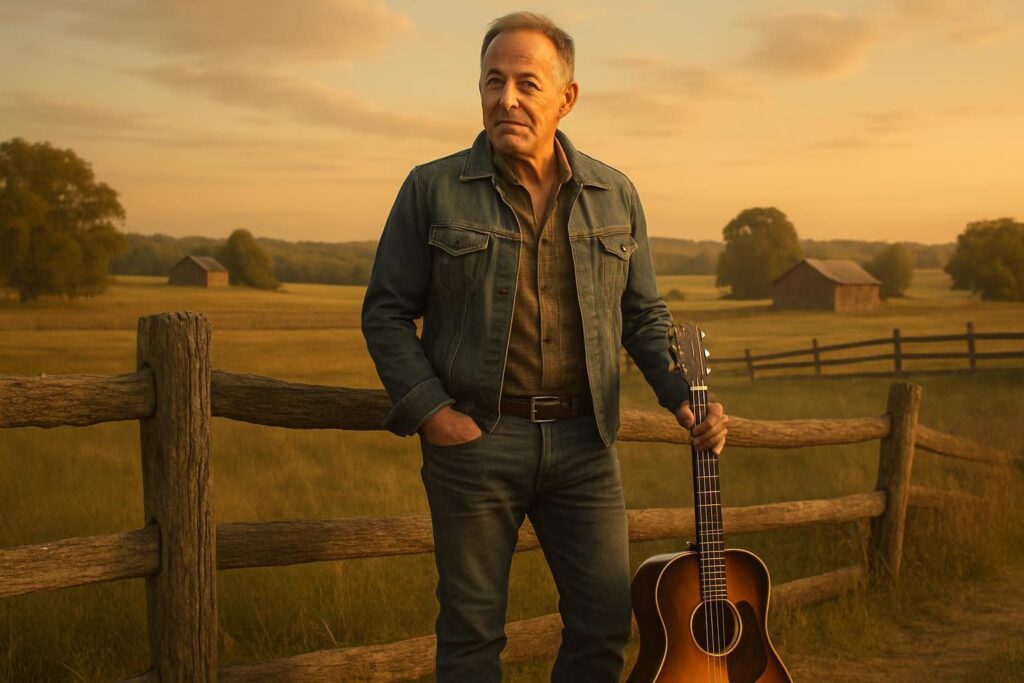
Bruce Springsteen’s Rediscovery of Country Roots through the Upcoming Album ‘Somewhere North of Nashville’
Bruce Springsteen, known as the iconic singer-songwriter primarily associated with rock and folk influences, marks a remarkable turn in his musical journey with the upcoming album Somewhere North of Nashville. This never-before-heard collection, set for release on June 27 under Sony Music’s Tracks II: The Lost Albums series, reveals a facet of Springsteen’s artistry deeply rooted in country music traditions. It may come as a surprise to some, but this album was recorded back in the summer of 1995, at the same time as his introspective and socially conscious album The Ghost of Tom Joad. This coincidence highlights Springsteen’s unique dual creative streams—while he was honing topical folk songs by day, he was simultaneously crafting spirited, uptempo country tracks by night.
The 12-song collection is himself an ode to traditional country sounds, with clear influences of honky tonk and rockabilly throughout the tracks. Key band members from the sessions, including Danny Federici, Garry Tallent, and Gary Mallaber, lend their instrumental talents, alongside additional musicians such as Marty Rifkin on pedal steel and Soozie Tyrell on fiddle. The album also features two notable songs originally intended for one of Springsteen’s most famous projects, Born in the U.S.A.—“Stand On It” and “Janey Don’t You Lose Heart.” Their presence here bridges his rock legacy with his newfound country expression, underscoring a seamless blend of genres that enriches his musical narrative.
A lire également : Country Music Legend Postpones Tour Dates Following Ice-Related Injury
Springsteen’s reflection on this dual recording process illuminates the complexity and depth of his work at the time: “I wrote all these country songs at the same time I wrote The Ghost of Tom Joad. Those sessions completely overlap each other. I’m singing ‘Repo Man’ in the afternoon and ‘The Line’ at night.” This anecdote wonderfully captures the simultaneity of his creative efforts, where his social commentary met with the lively stories and rhythms of the country tradition. It's a testimony to Springsteen’s versatility that he could nurture two drastically different styles in parallel and still produce authentic art on both fronts.
For fans of Bruce Springsteen and country aficionados alike, Somewhere North of Nashville offers an exciting glimpse into a hidden chapter of his career, where folk storytelling intertwines with the twang and vigor of country music. The album release not only complements his existing discography but also reveals his capability to explore and honor diverse musical roots without losing his signature storytelling power.
A découvrir également : Latino Entertainment Journalists Association Film Awards: ‘Sinners’ Takes Home Six Honors, Including Best Picture
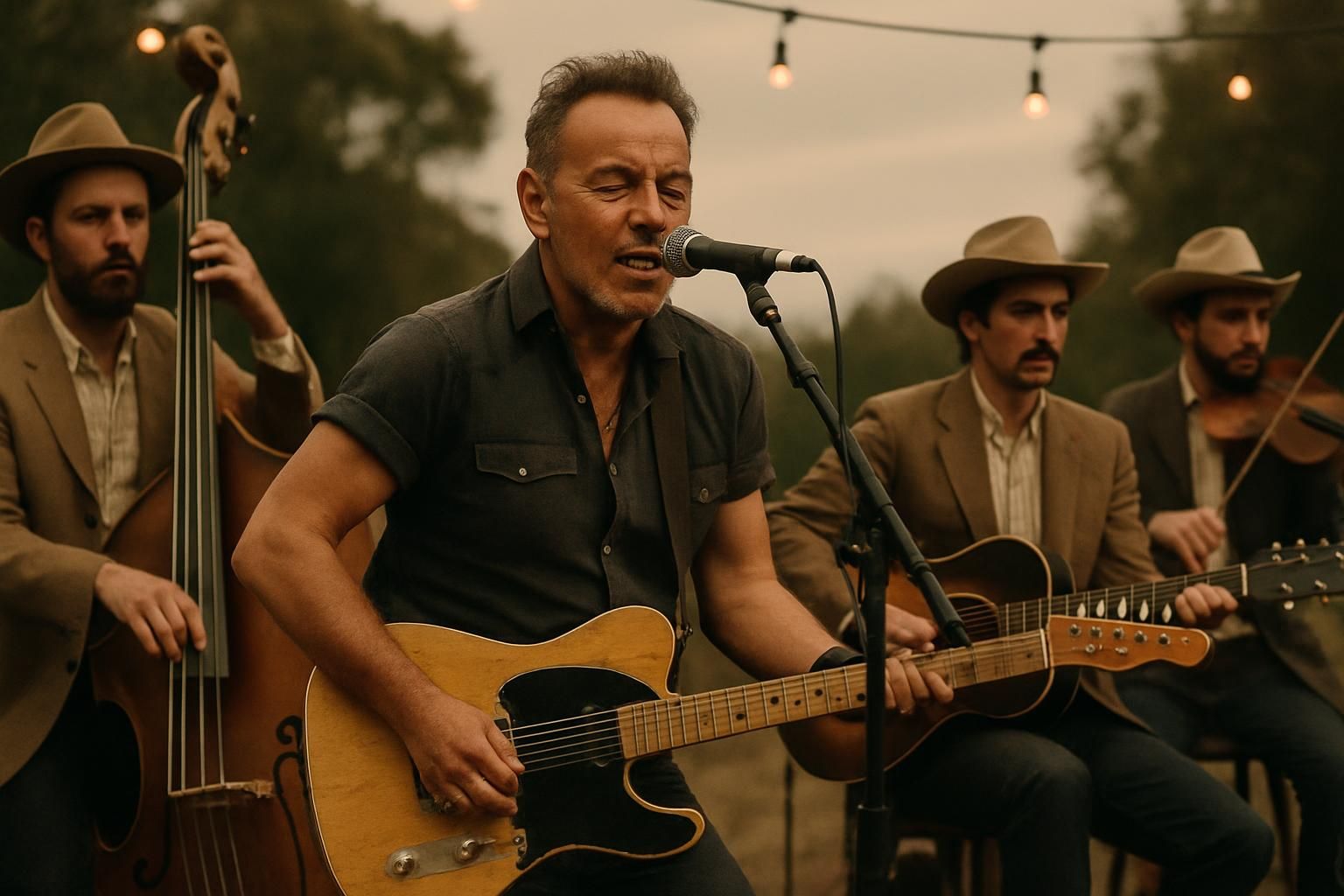
The Historical Context and Musical Landscape Surrounding ‘Somewhere North of Nashville’
The mid-1990s, when Springsteen recorded Somewhere North of Nashville, was a transformative era in country music. The genre was traversing new terrain, blending traditional honky tonk and rockabilly elements with contemporary pop influences. This was a fertile period where many artists were redefining what country music could represent, both commercially and artistically.
Within this musical environment, Bruce Springsteen’s venture into country reflected his ongoing evolution as a singer-songwriter keen to explore narratives deeply embedded in American culture. His 1995 album The Ghost of Tom Joad connected to the socially conscious vein of songwriting, inspired by struggles of marginalized communities. Yet running concurrently, the country material on Somewhere North of Nashville showcased a lively, storytelling style that conveyed everyday life, resilience, and a timeless American spirit.
The presence of instruments like pedal steel guitar and fiddle, played respectively by Marty Rifkin and Soozie Tyrell, roots the album firmly in country tradition. Rifkin’s later work with The Sessions Band, which famously supported Springsteen in the early 2000s, underscores the continuity of this country influence in Springsteen’s broader repertoire. At the same time, players like Garry Tallent and Danny Federici, integral parts of the E Street Band, brought their seasoned sensibilities, demonstrating how Springsteen’s core band adapted fluidly to country-inflected arrangements.
This convergence of rock 'n' roll and country styles aligns with a broader 1990s trend, where Americana—a genre blending folk, country, rock, and blues—gained momentum. Springsteen’s recordings highlight this intersection vividly, providing a case study in genre-fluid artistry. It’s interesting to consider how Somewhere North of Nashville would have altered the trajectory of country music had it been released earlier, potentially influencing generations of artists to approach genre boundaries with more liberty.
Moreover, the rediscovery and release of such historical recordings in 2026 contextualize Springsteen’s career within a continuum of American music that prizes storytelling and authenticity. His ability to revisit and reveal these ‘lost albums’ enriches the cultural heritage, offering new inspiration for both country musicians and fans.
Reinterpreting Springsteen’s Themes Through the Lens of Country Music
One remarkable aspect of Somewhere North of Nashville is how the shift to country idioms reinterprets familiar themes in Springsteen’s work. While known for his anthems about working-class struggles, dreams, and social justice, this album frames those ideas with a distinctive country flair and mood.
Take, for example, the song “Repo Man,” which debuted as a single alongside the album announcement. It combines a spirited, upbeat tempo with vivid storytelling about hardship and survival—hallmarks of classic country narratives. The delivery evokes the honky tonk tradition where personal woes are shared in music halls across Nashville, turning individual plight into communal empathy.
Additionally, songs like “Stand On It,” which originally appeared as an energetic rock track in earlier Springsteen timelines, feel refreshed and intimate in this country context. This reimagining not only respects the song’s roots but also accentuates the emotional resonance, showing how genre influences can deepen storytelling impact.
Springsteen’s fluent integration of folk influences bridges throughout his music, but the country stylings here add another layer—that of rural America’s musical heritage. This heritage has always served as a vessel for capturing life’s joys and hardships with straightforward yet poetic language. For an artist who has mastered narrative depth, adapting his voice to country rhythms allows new shades of expression to emerge.
In today’s music landscape, where genre crossovers dominate charts and playlists, the album mirrors contemporary trends while staying true to the timeless art of songwriting. Springsteen’s new-old album reminds us that music’s emotional core transcends stylistic boundaries, creating connections through shared stories and sounds.
The Role of Band Collaborations and Musical Arrangements in ‘Somewhere North of Nashville’
A significant factor behind the authenticity and power of Somewhere North of Nashville lies in the ensemble of musicians involved. The album features core collaborators from Springsteen’s circle, whose musicianship brought these country-imbued songs vividly to life. Their contributions highlight how teamwork and arrangement shape a record’s character as much as songwriting.
Garnering performances from E Street Band stalwarts such as Danny Federici, on keyboard and organ textures, and Garry Tallent on bass, the album carries the unmistakable mark of seasoned professionals who understand how to balance energy with nuance. Alongside them, session musicians like Gary Mallaber add rhythmic solidity and drive, essential for the honky tonk feel. The pedal steel work by Marty Rifkin adds authentic twang, evoking the spaciousness and melancholy often associated with country music.
Soozie Tyrell’s fiddle infuses warmth and rustic charm. Her long-standing collaboration with Springsteen, often straddling rock and folk spheres, proves pivotal here, reinforcing the album’s traditions without overshadowing the lyrical content. This mixture of instruments and players gives the album a rich sonic tapestry, reflecting a deliberate effort to craft a genuine country experience rather than a mere stylized homage.
Beyond instrumentation, the production quality itself mirrors 1990s country aesthetics while retaining Springsteen’s signature grit and raw emotion. The juxtaposition of songs recorded “in the afternoon” and “at night” during the same sessions is evident in dynamics—some tracks pulse with urgency, others with reflective intimacy. This range amplifies the album’s narrative complexity and emotional breadth.
In the context of 2026, when music production often relies heavily on digital tools, this organic, instrument-driven approach offers a fresh and nostalgic listening experience. It appeals to both purists who cherish live-studio sound and modern listeners seeking authenticity amid heavily produced pop.
Key Musicians and Their Contributions to the Album
- Danny Federici: Keyboards and organ providing foundational melodic layers
- Garry Tallent: Bass lines anchoring the upbeat country grooves
- Gary Mallaber: Drums adding rhythmic texture and drive
- Marty Rifkin: Pedal steel guitar imparting classic country twang and emotional color
- Soozie Tyrell: Fiddle delivering traditional folk-country melodies
These musicians’ synergy breathes life into “Somewhere North of Nashville,” proving the indispensable role of collaboration in musical reinvention and heritage preservation.
The Impact of ‘Somewhere North of Nashville’ on Bruce Springsteen’s Legacy and Contemporary Country Music
With the release of Somewhere North of Nashville, Bruce Springsteen continues to expand his illustrious legacy by openly embracing country roots while maintaining his trademark lyrical depth. This move shows an enduring willingness to explore new artistic territories and rethink his musical identity.
Springsteen’s reintroduction of these lost tracks in 2026 arrives amid a thriving country music scene that increasingly values authenticity, storytelling, and cross-genre blending. His influence, already vast in rock and folk circles, now visibly extends into the country sphere, inspiring contemporary musicians who respect genre boundaries yet seek creative freedom.
Moreover, this album release rekindles interest in the history of country music, highlighting its intersections with rock and folk. It serves as a reminder that artists don’t exist in isolated genres but rather in a shared musical ecosystem. By bridging decades of sound and social commentary, Springsteen invites reflection on the cultural narratives that unite American music traditions.
His upcoming world tour, “The Land of Hope & Dreams Tour,” beginning in Manchester, England, further underscores this renewed phase, signaling not just a celebration of his past works but a vibrant continuation of his musical evolution. Fans witnessing the live performances can expect to hear both classic hits and perhaps new renditions of tracks from Somewhere North of Nashville, blending heartfelt country rhythms with Springsteen’s unmistakable voice and storytelling prowess.
Ultimately, this album’s release marks a moment of creative rediscovery for Springsteen and offers a rich sonic experience for audiences, reaffirming that great music transcends time and genre. It cements his status as a versatile artist capable of honoring multiple traditions while forging new paths.
