
Country Music Community Rallying in Support of Icon Following Career-Threatening Injury
09/02/2026
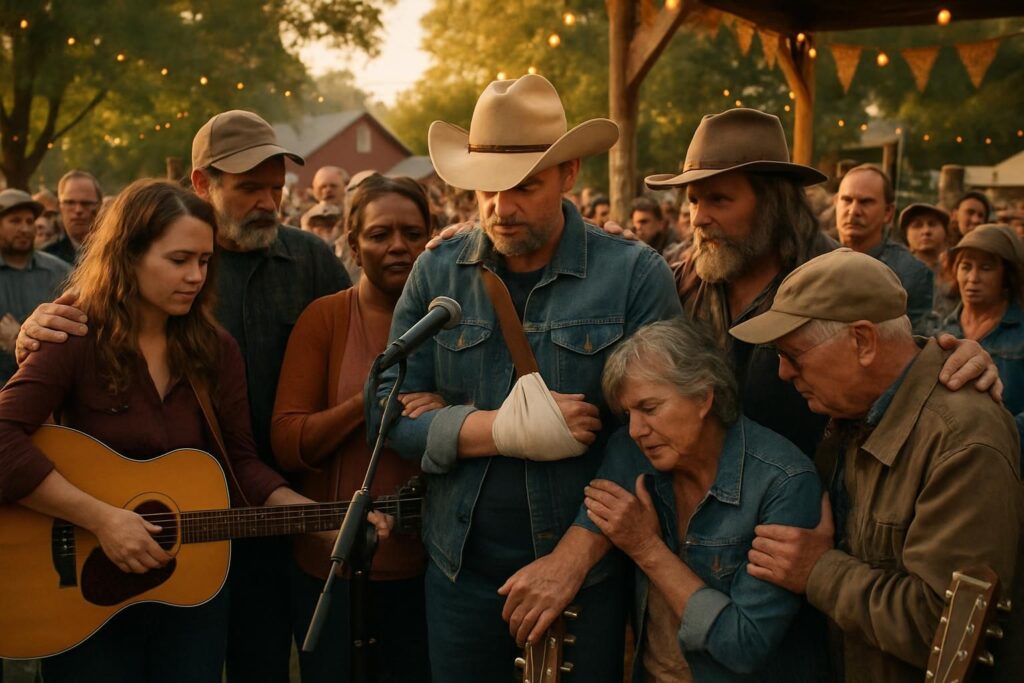
United Country Music Community Rallying to Support Marty Stuart After Career-Threatening Injury
The country music community has demonstrated extraordinary solidarity following news that legendary artist Marty Stuart suffered a significant injury that threatens his ability to perform. This incident, occurring amidst harsh winter weather conditions, has mobilized fans, fellow musicians, and industry insiders to express heartfelt concern and offer support during his critical recovery period.
Marty Stuart, a 67-year-old Grand Ole Opry member widely regarded as an icon in country music, revealed that he experienced a severe fall on a patch of ice, resulting in a sprained wrist and a modern hairline fracture. This injury has unfortunately sidelined his ability to play guitar and mandolin—the very instruments that have defined his illustrious career. His honesty and openness about this setback on social media instantly galvanized an outpouring of encouragement from his extensive fan base and the broader country music circle.
Dans le meme genre : BBG Music Group and BMG Nashville Partner to Sign Breakout Country Artist Mary Kutter
Such communal rallying underscores the strong bonds that tie the country music community together, particularly when an esteemed icon faces a potentially career-ending challenge. Stuart’s candid acknowledgments about the recovery setbacks and his current limitations have elicited a wave of empathy and prayers for his healing. His statement about the enforced cancellations of upcoming shows illustrates the considerable impact this injury has had not only on him personally but on his dedicated band, The Fabulous Superlatives, and his audience.
This support is not merely vocal; it reflects a deep commitment within country music culture to uplift its artists during times of adversity. Peers like Joe Baugh and numerous fans have shared messages of hope, praying for Stuart’s full recovery so he can return to his signature style of “pickin’ and grinnin’.” These interactions highlight the thriving community spirit that surrounds country music icons, contributing intangible strength to their physical and emotional healing processes.
A lire aussi : Renowned Steel Guitarist Pete Finney, Formerly Touring with Patty Loveless and Reba McEntire, Passes Away at 70
Moreover, the fans and Stuart’s team have adapted swiftly to manage the disruptions caused by the injury. Updates regarding upcoming shows and refund information have been efficiently communicated via social media and direct emails, reinforcing the professionalism and care maintained even under challenging circumstances. This incident has also sparked broader conversations about the vulnerability of performing artists and the critical importance of health and safety for career longevity.
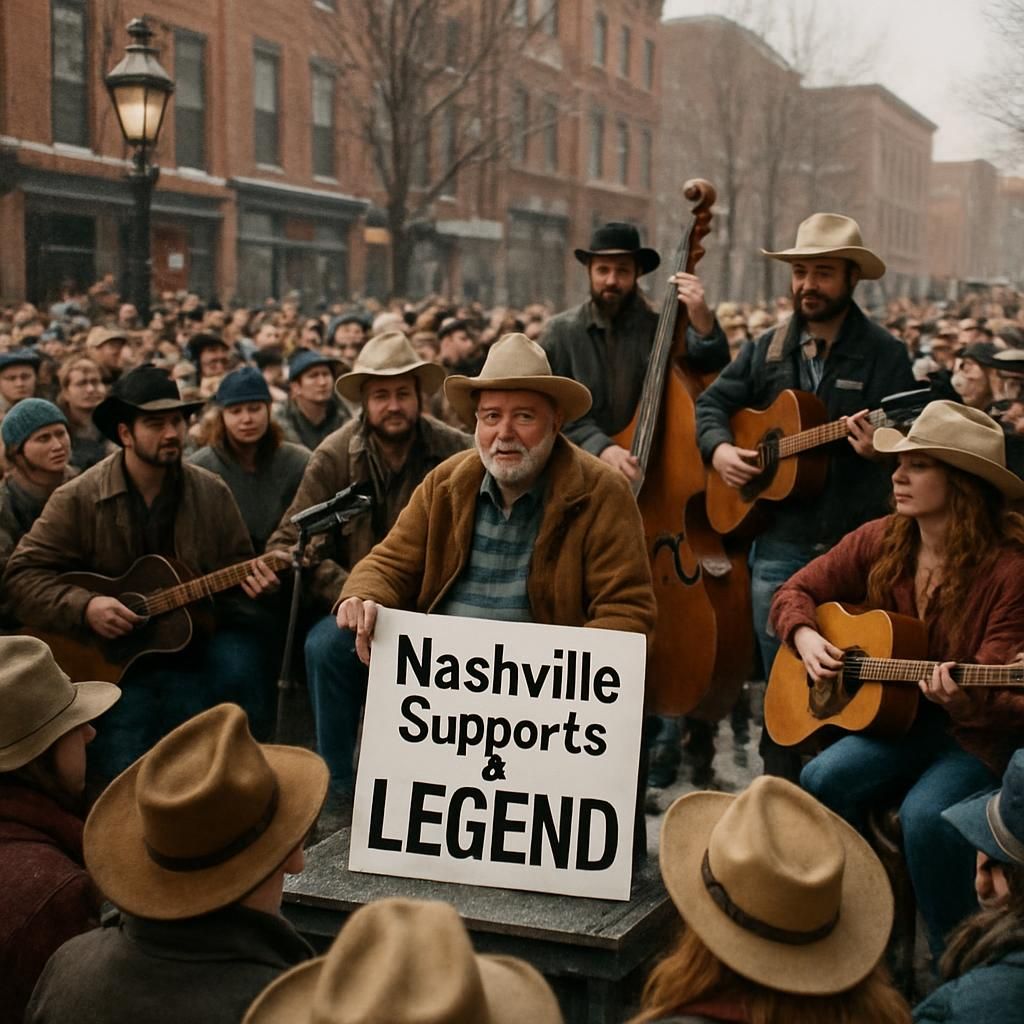
The Role of Community Solidarity in the Healing Journey of Country Music Legends
When a respected figure like Marty Stuart faces a career-threatening injury, the response of the country music community exemplifies how collective solidarity can profoundly influence the individual’s recovery journey. This sense of unity extends beyond mere fan enthusiasm—it's a binding force that fosters healing and emotional resilience in an unforgiving industry.
Community support has historically played a pivotal role in the careers of country music icons. In Marty Stuart’s case, the public outpouring of love and encouragement following his winter mishap has prompted fans and colleagues to actively engage in his recovery narrative. This communal embrace not only boosts morale but also helps sustain Stuart’s motivation to overcome the physical hurdles obstructing his passion for music.
Messages poured in swiftly following his announcement, reflecting the genuine care his peers and fans have for his well-being. Whether it's sympathetic messages assuring him of patient support or offers of assistance from fellow musicians, these gestures build a safety net that mitigates the isolating effects injury can impose on performers. Emotional well-being, often sidelined in conversations about physical injury, emerges as a crucial element bolstered by such collective backing.
In 2026, this phenomenon underscores a broader cultural aspect: the country music community is more than just an industry—it is a family bound by shared histories and mutual respect. The commitment to help an icon like Stuart recover is visible in various forms, ranging from virtual fundraisers to organized events aimed at raising awareness and gathering resources for his treatment and rehabilitation. These initiatives demonstrate an active, empathetic response that transcends typical fan-artist relationships.
Furthermore, solidarity goes beyond immediate posts and messages. It shapes how venues, promoters, and fellow artists approach scheduling and performances during an icon's recovery period. This dynamic is evident in how updates about future shows and logistical changes are managed, ensuring Stuart's absence does not diminish the energy or spirit of the community but rather strengthens it in anticipation of his return.
Impact of Career-Threatening Injuries on Country Music Icons and Their Audiences
The phenomenon of career-threatening injuries has profound implications not only for the artists themselves but also for their eager audiences and the broader country music industry. In Marty Stuart’s situation, the injury’s gravity extends beyond the physical damage to his hand; it ripples across scheduled tours, album plans, and fan experiences that have been years in the making.
The inability to perform due to injuries interrupts an artist's creative flow and financial stability. Stuart, who remains a pivotal figure in country music, now faces an unexpected hiatus that affects his bandmates in The Fabulous Superlatives, concert promoters, venue staff, and fans awaiting live performances. The cancellations and postponements inevitably alter the rhythm of the country music scene, reminding us how intertwined the fortunes of a single player can be with the ecosystem.
Moreover, this injury highlights the often-overlooked risks faced by musicians, especially those who perform with traditional instruments demanding dexterity and physical resilience. The delicate balance between art and physical health is precariously maintained, and injuries like Stuart’s serve as stark reminders of the physical demands of a performing career.
This situation also provides insight into the fans’ role as active participants in an artist’s lifecycle. Listeners become advocates, sharing updates and encouraging healing on social media platforms, thus maintaining the artist's relevance and fostering an environment of empathy. This collective concern strengthens fan loyalty and bridges the gap between stage and audience.
Examples from history demonstrate that the comeback stories following serious injuries often become inspirational chapters in an artist’s legacy. For Marty Stuart, the path to recovery is watched keenly not only as a medical journey but also as a narrative that might add depth to his future music, resonating even more powerfully with fans worldwide.
Fundraisers and Community Initiatives Supporting Artist Recovery in Country Music
The spirit of giving back is integral to country music culture, especially when a beloved icon experiences hardship. In light of Marty Stuart’s injury, the community’s rallying includes a range of fundraisers and support initiatives designed to help offset the challenges faced during his recovery.
Fundraising efforts within the country music sphere often highlight the generosity and dedication fans and industry professionals bring to bear in times of need. From benefit concerts to online crowdfunding campaigns, the goal is clear: to provide both financial support and emotional encouragement for the injured artist’s healing process.
These initiatives frequently involve collaborations between fellow musicians, fan clubs, and local organizations keen to celebrate their heroes and ensure their return to the stage. Such collective action echoes deeply within the tradition of country music, where storytelling and personal connection foster lifelong bonds.
The nature of these support drives can take various forms:
- Benefit concerts featuring peers and younger artists paying tribute through performances.
- Merchandise sales with proceeds directed to the artist’s medical expenses and therapy.
- Virtual events and live streams creating interactive platforms for fans to express solidarity and contribute.
- Community fundraisers organized locally by fan groups to engage grassroots support.
- Awareness campaigns to highlight the physical demands on performers and promote injury prevention.
These concrete acts of love and solidarity make a measurable difference in easing the financial pressures and fostering an uplifting environment for recovery. Marty Stuart’s ongoing recuperation benefits significantly from the multifaceted support network emerging across the country music scene.
To follow these developments more closely, readers can visit detailed coverage on similar community responses at Twangwire’s article on musicians overcoming injuries.
Healing and Recovery: The Road Ahead for Marty Stuart and Implications for Country Music Icons
Recovery from a career-threatening injury is never straightforward, particularly for musicians whose livelihood depends on the full use of their hands. Marty Stuart’s rehabilitation journey is emblematic of the challenges faced by artists striving to regain their craft after significant setbacks.
The healing process involves meticulous medical care, physical therapy, and patient adherence to recovery plans. Stuart’s message acknowledging daily improvement is a testament to his determination and the supportive environment surrounding him. However, clinicians and therapists caution that regaining full dexterity, especially for complex instruments like the guitar and mandolin, requires time and consistent effort.
This slow, steady return to musical activity spotlights broader themes relevant to country music icons coping with injuries. It involves not only physical restoration but also mental resilience to overcome frustrations imposed by unforeseen interruptions. Artists must balance rest with retraining, and the pressure of fan expectations can weigh heavily throughout the recuperation period.
Industry solidarity remains crucial throughout this phase. Fellow musicians, promoters, and fans continue to provide morale boosts, ensuring the artist feels supported rather than isolated during the process. This unity reinforces the central value of community within country music, where personal trials become shared experiences, strengthening collective identity.
Moreover, Marty Stuart’s case calls attention to the need for enhanced preventive measures within the country music industry. Discussions around stage safety, winter travel precautions, and health maintenance have gained traction recently, encouraging proactive strategies that protect musicians from similar career-threatening incidents.
As the journey unfolds, fans and peers alike eagerly anticipate Stuart’s full return, hopeful that his resilience will inspire others facing adversity within the music world. His story, supported by an unwavering community, exemplifies how healing goes beyond the medical—embracing emotional recovery, community care, and a hopeful outlook toward the future.
For continuous updates on Marty Stuart’s rehabilitation and perspectives on artist health, the community can engage with discussions featured on detailed reports dedicated to country music legends’ injuries.
