
Country Music Icon Plans Heartfelt Gesture by Donating Grammy to Former Detention Center
07/02/2026

Country Music Icon's Powerful Donation Sparks Social Justice Dialogue in 2026
In an unprecedented move blending philanthropy and activism, a renowned Country Music Icon has made headlines by donating a treasured Grammy award to a Former Detention Center. This heartfelt gesture in 2026 has not only captivated fans but ignited a profound conversation on social justice and the legacy of incarceration in the United States. The artist’s choice to part with such a prestigious symbol of musical achievement demonstrates a commitment to leveraging fame for meaningful societal impact.
The donation took place at a ceremony held at the site of the detention center, now repurposed as a community and cultural space. This transformation itself carries a powerful message—turning a place once associated with confinement and hardship into one promoting education, reconciliation, and hope. By donating the Grammy, the Country Music Icon highlighted the complex narratives interwoven with the country genre’s deep American roots, reflecting struggles, resilience, and redemption.
Lire également : Nashville Celebrities Share Their Thoughts on Bad Bunny's Spectacular Super Bowl Halftime Performance
More than just a physical object, the Grammy embodies the artist’s legacy. Its transfer to a Former Detention Center signals an invitation to confront difficult histories while inspiring inmates and local communities towards change. The artist’s philanthropic action underscores how music awards can serve as catalysts for conversations far beyond entertainment, nurturing empathy and urging social reform.
This deliberate act aligns with growing trends within the music industry, where celebrities increasingly adopt roles as activists and agents of change. The donation reverberates through multiple layers—from fans and fellow musicians to policymakers and advocates—prompting reflections on the intersections between fame, responsibility, and societal healing.
En parallèle : Legendary Steel Guitar Virtuoso Pete Finney Passes Away
In essence, this donation stands as a beacon of hope for those impacted by incarceration systems, illustrating how art and philanthropy can merge to foster understanding and transformation. The Heartfelt Gesture by this Country Music luminary invites us all to reimagine the power of cultural icons beyond the stage and studio, placing social justice at the forefront of their influence.
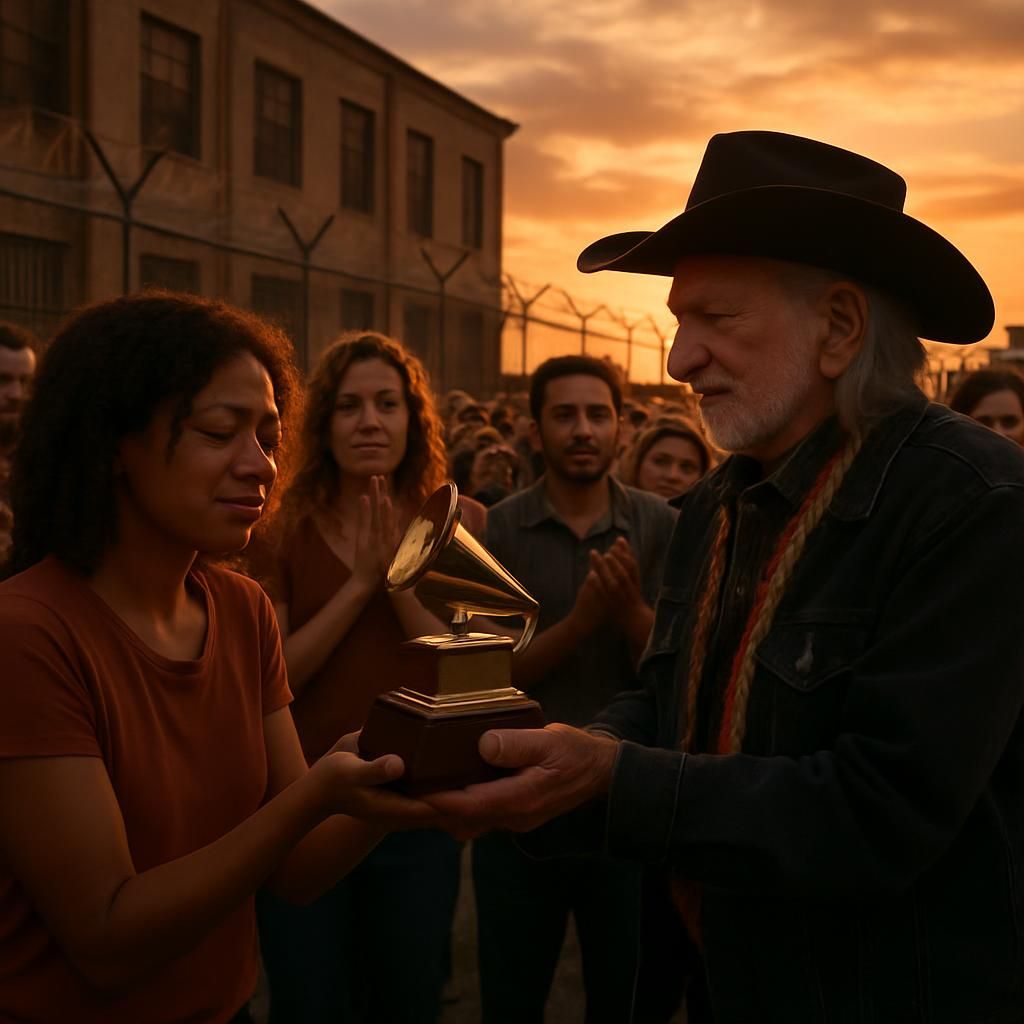
The Historical Significance and Transformation of the Former Detention Center
The Former Detention Center that recently received this notable Grammy donation carries a profound historical narrative. Originally built in the early 20th century, the facility served as a detention site for various populations, reflecting broader themes of justice and inequality prevalent across American history. Its walls witnessed stories of hardship, resilience, and often, systemic injustice, making the site a symbol laden with emotional resonance.
By 2026, this center had been declared obsolete and transformed significantly. Advocates and local government officials collaborated over years to convert it into a multifunctional community hub. It now serves as a museum, educational center, and performance venue dedicated to raising awareness on incarceration, rehabilitation, and restorative justice initiatives. The Country Music Icon’s donation of a Grammy aligns perfectly with the center’s mission to engage the public emotionally and intellectually.
Visitors to the site experience interactive exhibits on the history of incarceration intertwined with musical heritage, demonstrating how art has long reflected and influenced social conditions. This juxtaposition creates a compelling narrative about the power of music—especially Country Music—as a voice for marginalized communities and a tool for healing societal wounds.
For example, one exhibit features notable performances by country artists who've historically used their platform to advocate for the disenfranchised, demonstrating music's role as both comfort and protest. The donated Grammy now holds a place of honor within this context, symbolizing hope and the potential for change.
Furthermore, the center organizes workshops and community dialogues that foster conversations on criminal justice reform and equity. The Grammy’s presence serves as a tangible reminder of how cultural symbols can inspire activism, encouraging visitors to consider how one person’s influence can ripple through social movements.
This transformation reflects an emerging trend in repurposing sites of trauma into spaces of healing, education, and community empowerment. The conversion also invites a reevaluation of history with compassion and recognition of ongoing challenges faced by those affected by incarceration. Thus, this Former Detention Center literally and metaphorically becomes a stage where the potency of art and advocacy meet, enriching public discourse about justice in contemporary America.
Philanthropy in Music: The Influence of Heartfelt Acts by Country Legends
Philanthropy has long been a defining characteristic among many Country Music legends, whose careers often intertwine with narratives of generosity and social responsibility. The recent donation of a Grammy to a Former Detention Center by a celebrated artist in 2026 exemplifies this tradition, showcasing how heartfelt gestures go beyond monetary value to carry symbolic and inspirational weight.
Country icons typically use their platform to champion causes close to their roots—whether supporting veterans, advocating for rural communities, or engaging in social justice efforts. This Grammy donation fits naturally within a continuum of efforts where artists seek to make tangible impacts in communities historically underserved or marginalized.
One notable example is the commitment of a legendary figure who established scholarships for children of incarcerated parents, highlighting the connections the genre maintains with real lived experiences. By donating such a highly coveted award, the artist not only elevates the message of the Former Detention Center but also reaffirms the role of music stars as beacons of hope and progress.
Moreover, this donation alters public perceptions of music awards themselves. Traditionally viewed as accolades for artistic merit and career achievement, these awards gain a fresh dimension when repurposed as symbols of advocacy. The artist’s act encourages fans and fellow musicians alike to reimagine their influence and possessions as tools for fostering equity and compassion.
The philanthropic act has encouraged other musicians to evaluate ways they can contribute to social justice themes through their fame and resources. Numerous campaigns in 2026 have already cited this donation as a catalyst, sparking collaborations between artists and organizations focused on criminal justice reform.
Clearly, heartfelt gestures such as this Grammy donation reinforce the fusion of art and humanitarianism, demonstrating that country music icons remain vital cultural agents pushing for societal evolution. Their legacies become about more than records sold or awards won—they become stories of change, kindness, and empowerment.
The Cultural Legacy of Music Awards Repurposed for Social Causes
Music awards like the Grammy possess deep cultural significance, serving as benchmarks of artistic accomplishment and recognition. However, when these symbols are repurposed for social causes, their cultural legacy transforms, gaining narratives rooted in humanitarianism and social justice. The decision by a prominent Country Music Icon to donate a Grammy to a Former Detention Center in 2026 has precipitated an evolving dialogue about how awards can extend influence beyond the entertainment industry.
Historically, awards have been displayed in private collections or museums, attesting to personal or institutional prestige. But gifting such awards to social justice-centered institutions redefines their role. They become artifacts reflecting societal values and hopes, inspiring visitors to think critically about the intersections between culture, power, and reform.
This new perspective is reshaping how communities engage with both music and social issues. For instance, award repurposing can foster educational opportunities by attracting wider audiences, including youth, who may not have otherwise interacted with these social topics. The Grammy in the Former Detention Center context encourages empathy and awareness through a culturally resonant channel.
Furthermore, this trend highlights the responsibility artists bear as custodians of cultural heritage. The repurposing sends a message that recognition and success must be paired with active engagement in shaping a more just society. The awarded symbol becomes a beacon pointing towards responsibility, encouraging subsequent generations to follow suit.
Fans and critics alike have noted how this act challenges conventional thinking around the commodification of music awards. It elevates them from mere trophies to powerful communicators of change. This shift is vital in a time when social justice conversations dominate public consciousness and demand innovative methods of expression and activism.
In summary, the donation enriches the legacy of music awards, embedding them in a broader humanitarian framework and amplifying their cultural relevance. It stands as an inspiration for artists to continually harness their achievements for meaningful societal contributions.
Impact on Social Justice Movements and Future Prospects in Country Music
The donation of a Grammy to a Former Detention Center by a Country Music Icon in 2026 has ripple effects well beyond a singular event. It fuels momentum within social justice movements and reshapes the role of Country Music as an influential voice in advocacy and reform. This heartfelt gesture strengthens ties between marginalized communities and mainstream cultural institutions, forging a new path for both music and activism.
The immediate impact includes heightened awareness of issues related to incarceration, such as the challenges faced by formerly imprisoned individuals reentering society, systemic inequalities, and the human cost of mass detention. The artist’s involvement lends celebrity clout, increasing visibility for organizations working to dismantle these barriers.
Country music has often been critiqued for traditionalism, but acts like this demonstrate its evolving identity and openness to progressive ideals. Young artists in the genre cite this donation as an inspiration to weave themes of justice and equity into their songwriting and public personas.
Looking to the future, this event may signal a trend where musicians continue to engage deeply with social issues through tangible, symbolic acts. By using prized awards as vehicles for philanthropy, artists emphasize a commitment to legacy-building beyond chart-topping hits.
Furthermore, community programs linked to the Former Detention Center now have enhanced credibility and resources, enabling broader outreach and impact. Supported by the artist's gesture, these initiatives may inspire partnerships with policy leaders and cultural institutions, catalyzing comprehensive reform efforts.
In practical terms, the event has provided a blueprint on how high-profile individuals can leverage personal success to address systemic challenges. The gesture calls on others in the entertainment industry to consider innovative philanthropy, bridging gaps between art, justice, and public engagement.
Ultimately, this unfolding narrative invites all stakeholders to envision a future where country music not only entertains but acts as a powerful agent for social transformation, honoring its rich heritage while embracing inclusivity and change.
