
Country Music Legend Postpones Tour Dates Following Ice-Related Injury
07/02/2026
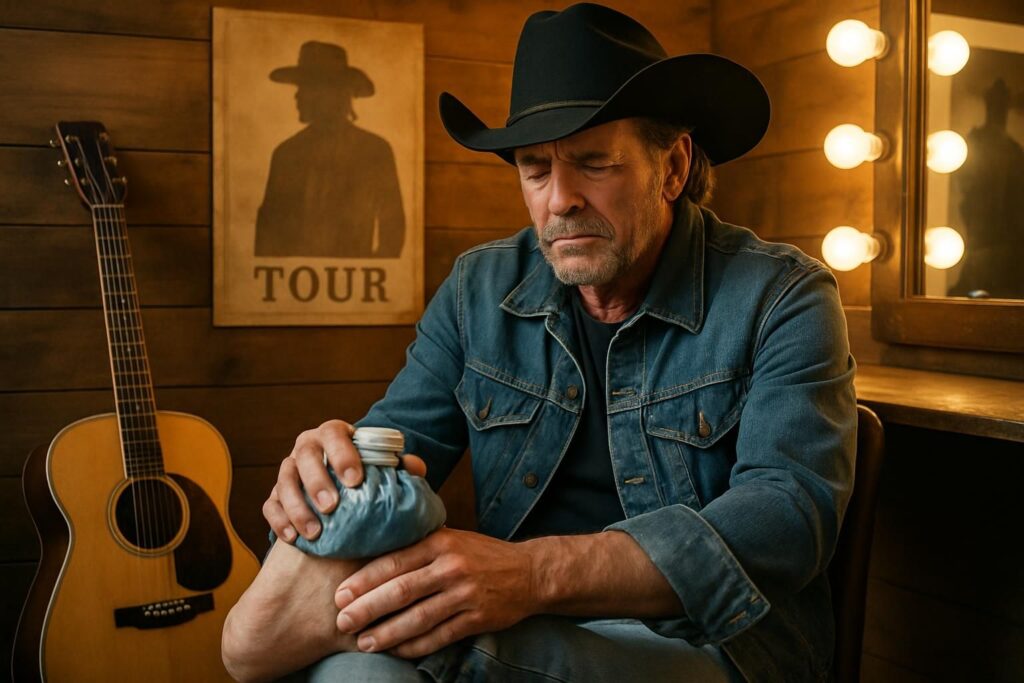
Impact of Marty Stuart’s Ice Injury on Music Tour Schedules and Fans
Country music enthusiasts across the United States were met with unexpected news when Marty Stuart, a revered legend in the genre, shared that he must postpone tour dates after sustaining an ice injury. This sudden development has sent ripples through the fan community and the broader music industry, highlighting how unpredictable external factors can disrupt the meticulously planned schedules of music tours.
In early 2026, the beloved artist suffered a fall on a patch of ice, which resulted in a sprained wrist and a hairline fracture. These injuries are particularly impactful for Stuart since they incapacitate his ability to play his signature instruments—the guitar and the mandolin—both central to his live performances. This unforeseen incident forced a delay in shows originally planned from February 5 to 15, spanning venues from Kentucky to Connecticut.
A lire également : Andrew Llinares Steps Down as Global Entertainment Chief at Fremantle After Three-Year Tenure
The ripple effect of the injury extends beyond just the artist, affecting band members, tour staff, venue operators, and fans eagerly awaiting the concerts. Stuart’s band, “His Fabulous Superlatives,” alongside supporting act the Molly Tuttle Trio, had a robust lineup of performances that now require rescheduling. While updates are promised soon, fans have been urged to monitor social media and email communications for further announcements and refund information. The hold on performances underscores how critical physical health is for musicians who rely heavily on instrumental prowess.
Furthermore, this postponement creates logistical challenges and financial implications across the country music scene. Venues must juggle cancellations and potential new dates, and ticket holders seek clarity on refunds or exchanges. For fans, the uncertainty can be disappointing, especially for those who planned long in advance to attend these live events. This situation is a poignant reminder of the fragility of live concert schedules and the vulnerability artists face when accidents occur offstage.
En parallèle : Craig Morgan Set to Rock Nashville’s Iconic Ryman Auditorium on November 7
The delay also affects the momentum of Stuart’s career and promotional activities tied to the tour. In a world where artists increasingly rely on live touring income and fan engagement, such breaks can complicate marketing plans and album rollouts. Still, the artist’s transparent communication and regular updates aim to keep his audience connected and informed, preserving trust during this downtime.
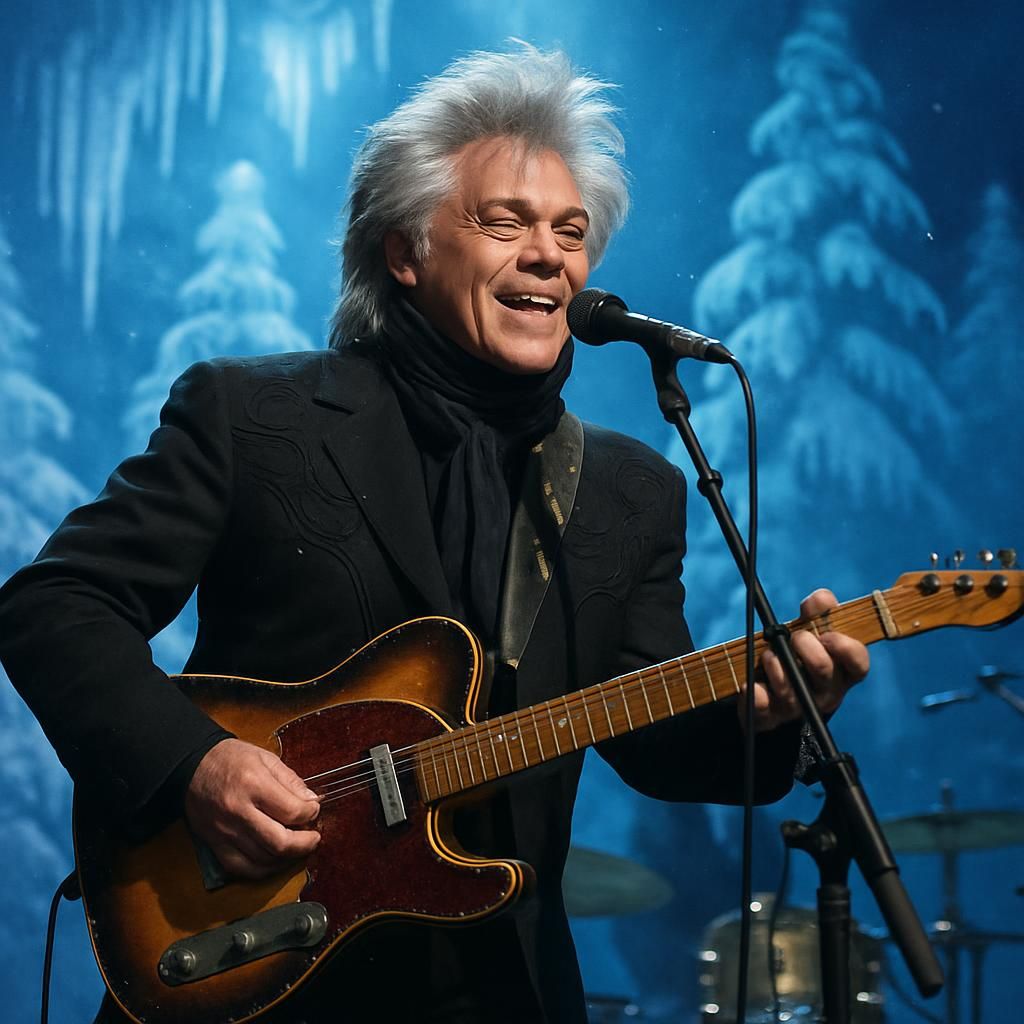
Rescheduling Challenges and Considerations for Postponed Tour Dates
Reorganizing a halted music tour like Marty Stuart’s involves intricate planning and negotiation. The primary challenge lies in aligning new dates that accommodate not only Stuart’s recovery timeline but also the availability of venues and supporting artists such as the Molly Tuttle Trio. Rescheduling must also consider existing bookings and regional audience demand, which can vary drastically across tour stops.
Tour managers must act swiftly to mitigate losses and maintain fan engagement. This includes coordinating ticket refunds or transfers and ensuring promotional efforts align with the revised timeline. In many cases, venues are forced to shuffle their calendars, balancing multiple artists’ schedules to minimize disruption. Additionally, travel and accommodation arrangements require careful reorganization, a logistical puzzle often exacerbated by tight industry margins.
Health considerations for the artist dictate much of this timeline. With a sprained wrist and hairline fracture—a debilitating combination for any string instrumentalist—Marty Stuart’s active playing period could be sidelined for several weeks. Medical advice in 2026 emphasizes cautious recovery to prevent chronic issues, meaning the artist’s team must factor in rehab and physical therapy before committing to new performance dates.
This period of hiatus from touring can also be leveraged creatively. Artists have increasingly turned to digital means to stay connected with fans, through live streams, behind-the-scenes content, and special releases. While Stuart’s injury halts live strings performances, virtual concerts or Q&A sessions might provide alternative engagement paths until the physical capability returns.
Ultimately, rescheduling these postponed dates is a balancing act between business realities and personal health. Fans’ understanding and patience, combined with the artist’s transparent communication, form the cornerstone of navigating this challenging timeframe.
The Role of Physical Health and Safety in Sustaining a Music Career
The recent incident involving Marty Stuart illustrates the critical role that physical health plays in the longevity of an artist’s career. Injuries can abruptly impede a musician’s ability to perform, impacting not only their live shows but also studio work and promotional activities. For instrumentalists, particularly those who play string instruments like the guitar and mandolin, injuries to the hands or wrists are especially concerning.
Musicians, regardless of their level of fame, face occupational hazards. Long hours of rehearsals, repetitive motions, and the physical demands of live touring can predispose them to injuries. When accidents like falls occur offstage, as happened to Stuart on icy ground, the consequences can be severe. This incident highlights the necessity for musicians and their teams to implement safety protocols, especially during winter tours where environmental hazards increase.
Moreover, the management of such injuries involves specialized care. Recovery from a sprained wrist and hairline fractures typically requires immobilization, rest, and sometimes physical therapy. These interventions must be balanced with the musician’s need to maintain skill levels and physical conditioning. In recent years, artists have turned to physiotherapists and occupational therapists familiar with the unique demands of performing musicians.
In a broader context, this event sparks conversations about preventive measures within the industry. Tour organizers now increasingly assess venue surroundings and schedules for environmental risks, including icy pathways or hazardous weather conditions. Safety briefings for artists and crew have become more rigorous, aiming to reduce such incidents. Some artists opt for winter hiatuses or indoor rehearsals during high-risk months to sidestep potential injury.
There are lessons to be drawn here on the balance between dedication and self-care. For long-term success, musicians must prioritize their health, recognizing that a single injury could derail months of hard work and fan engagement. Marty Stuart’s experience serves as a case study in how even seasoned performers must navigate these challenges and adapt their careers accordingly.
Artist Injury Protocols and How They Affect Tour Management
When a key artist sustains an injury, established protocols guide immediate responses to minimize disruption. This involves medical intervention, communications strategies, and tour logistics adjustments. For Marty Stuart, the announcement about his cannot-play status on guitar or mandolin due to injury triggered swift action from his team.
Communication is paramount; the public message encouraged fans to stay alert for updates on ticket refunds and new dates via social media and email. This transparency helps maintain fan loyalty despite the delay. Additionally, the artist’s team collaborates with venues and promoters to negotiate potential reschedules, weighing financial and contractual obligations.
Injury protocols increasingly integrate mental health support as well, understanding the stress such setbacks impose on artists. Rehabilitation is managed holistically to ensure the individual returns to full performance capacity without undue pressure. In Marty Stuart’s case, this measured approach appears pivotal to charting his return to the stage.
This kind of management is becoming a model in the music industry, where physical wellbeing is recognized as inseparable from artistic output. As fans anticipate his comeback, the structural support around artists during injury phases is setting new standards for professionalism and care.
Marty Stuart’s Legacy and The Unwavering Spirit Behind His Music Tour
Throughout his career, Marty Stuart has been celebrated not just as a country music legend, but as a relentless performer dedicated to his craft. His influence across decades has shaped the sound and soul of American country music, inspiring countless contemporary artists and fans alike. The current pause in his tour schedule does not diminish this legacy; it only reinforces the resilience required to sustain such a storied career.
Fans recognize the pain and frustration that an injury presents, yet many express unwavering support through social channels and fan communities. This positive spirit fuels artists like Stuart, who have always framed their work around genuine connection and authenticity. His band, “His Fabulous Superlatives,” remains an integral part of these efforts, and their combined talents promise a powerful reunion when healing is complete.
Historical parallels can be drawn to past instances where artists faced similar setbacks due to health issues but returned stronger. These stories often become part of the mythology that surrounds legendary musicians, adding depth to their public personas. For Marty Stuart, the narrative of overcoming adversity is a familiar one and will likely imbue his future performances with added emotional resonance.
Looking ahead, the anticipation of his rescheduled tour dates signals not just a return to performing but a renewal of commitment to the art form and his loyal audience. The journey through recovery and rescheduled concerts will unfold as a testament to the enduring spirit that defines great artists in country music's rich history.
Fans eager for updates can find detailed information about his health and tour changes on platforms like Twang Wire's report on Marty Stuart’s injuries. Additionally, connecting with stories about other Nashville artists, such as Zach John King, offers insight into the vibrant and ever-evolving country music scene in 2026 at Twang Wire’s coverage of emerging Nashville talent. These resources keep fans connected to both the challenges and triumphs within this dynamic community.
- Immediate impact on tour dates from February 5-15 postponed
- Injury involved sprained wrist and hairline fracture
- Guitar and mandolin playing temporarily impossible
- Tour involved “His Fabulous Superlatives” band and Molly Tuttle Trio
- Rescheduling depends on recovery and venue availability
- Fans advised to watch social media for updates and refund info
